Complete Tamil Hindu festival guide Singapore 2025: Thaipusam to Dussehra. Temple schedules, MRT routes, kavadi registration, prasadam timings, family tips, dress codes, all major celebrations.
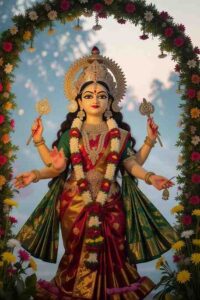
Thaipusam to Dussehra Singapore 2025: Tamil Community Hindu Festival Calendar and Temple Guide
Note: In Singapore, major Hindu festivals and public processions are coordinated with the Hindu Endowments Board (HEB) and partner temples, not a “Hindu Council.” We use “council” generically to mean national coordination. Always follow HEB/temple week-of announcements for final dates, routes, rules, and timings.
Introduction
From the kavadi vows and milk-pot offerings of Thaipusam to the lamp-lit grace of Navaratri and Vijayadashami, Singapore’s Tamil Hindu calendar is devotional, disciplined, and deeply family-friendly. This guide maps the journey from early-year Thaipusam through to Dussehra 2025—key dates and meanings, temple highlights, what to bring, MRT tips, accessibility and safety, fasting and food, and budgets. Treat this as your planning framework; final schedules are confirmed by HEB and individual temples closer to each festival.
Table of Contents
- Festival Snapshot: Dates, Time Zone, Who to Follow
- Year-at-a-Glance: Key Tamil Hindu Festivals (Thaipusam → Dussehra)
- Temple Guide: Where to Go and What to Expect
- Thaipusam Essentials: Route, Registration, Safety
- Navaratri to Dussehra: Golu, Ayudha Puja, Vidyarambham
- Travel & Crowd Tips (MRT, Bus, Taxis)
- Family, Accessibility & Safety
- Weather & What to Wear
- Fasting & Food (General Guidance)
- Budget Planner (SGD)
- Volunteer & Seva
- Featured Snippet: 10-Step Plan (Jan–Oct)
- FAQs
- External Resources
- Conclusion & Call to Action
Festival Snapshot: Dates, Time Zone, Who to Follow
- Time zone: SGT (UTC+8). Singapore does not observe Daylight Saving.
- Coordination: Hindu Endowments Board (HEB), temple management committees, Singapore Police Force (SPF), LTA, NEA (where relevant).
- Dates (planning guide—verify with HEB/temples):
- Thaipusam: Typically Jan–Feb (Poosam star in Tamil month Thai) — HEB publishes final date and route.
- Panguni Uthiram: Mar–Apr (Murugan, Shiva, Vishnu divine weddings)
- Tamil New Year (Puthandu): Around 14 April
- Vaikasi Visakam: May–Jun (Murugan’s birth star)
- Aadi month: Jul–Aug (Aadi Pirappu, Aadi Krithigai, Aadi Pooram)
- Varalakshmi Vratam & Avani Avittam: Aug (as per temple schedules)
- Vinayagar Chaturthi: Late Aug–early Sep (temple-based, no public water immersion)
- Navaratri: Late Sep–early Oct (2025 likely Sep 23–Oct 1)
- Vijayadashami/Dussehra: Thu 2 Oct 2025 (symbolic in SG; no effigy burning)
Who to follow for official updates
- HEB Singapore (website/socials)
- Major temples (websites/Facebook/Instagram)
- SPF/LTA advisories for road closures (Thaipusam)
- NEA/MSS for weather, and haze updates if needed
Year-at-a-Glance: Key Tamil Hindu Festivals (Thaipusam → Dussehra)
- Thaipusam (Jan–Feb)
- Vows, kavadi and paal kudam (milk-pot) offerings to Lord Murugan.
- Public procession is a hallmark; strict registration and safety rules apply.
- Panguni Uthiram (Mar–Apr)
- Focus on divine weddings; Murugan, Shiva-Parvati, and Vishnu-Lakshmi worship.
- Puthandu (Tamil New Year, ~14 Apr)
- Temple aarti, family prayers, panchangam reading; new beginnings, charity.
- Vaikasi Visakam (May–Jun)
- Celebrates Murugan’s birth star; abhishekam, processions within temple precincts.
- Aadi month (Jul–Aug)
- Aadi Pirappu, Aadi Krithigai (Murugan), Aadi Pooram (Andal); Friday alankarams.
- Varalakshmi Vratam, Avani Avittam (Aug)
- Home/temple observances by communities; check temple bulletins for timings.
- Vinayagar Chaturthi (late Aug–early Sep)
- Ganapati aarti, cultural recitals; eco-friendly practices; temple-based visarjan rituals (no public immersion).
- Navaratri (late Sep–early Oct)
- Golu steps, Devi alankarams, music/dance recitals; Saraswati and Ayudha Puja.
- Vijayadashami/Dussehra (Thu 2 Oct)
- Vidyarambham (start of learning), Ayudha Puja blessings; symbolic observance—no Ravana Dahan.
Temple Guide: Where to Go and What to Expect
- Sri Thendayuthapani Temple (Tank Road)
- Murugan temple; focal point for Thaipusam conclusion, Vaikasi Visakam, Skanda observances.
- Expect disciplined queues, structured aarti, family-friendly spaces.
- MRT: Fort Canning (DT) or Dhoby Ghaut (NS/NE/CC).
- Sri Srinivasa Perumal Temple (Serangoon Road, Little India)
- Vaishnava temple; Thaipusam start point; Ramayana discourses and bhajans in festival seasons.
- MRT: Farrer Park (NE).
- Sri Mariamman Temple (South Bridge Road)
- Oldest Hindu temple; Navaratri aarti and cultural items; central and historic.
- MRT: Chinatown (NE/DT).
- Sri Veeramakaliamman Temple (Serangoon Road)
- Shakti focus; Navaratri alankarams; evening bhajans.
- MRT: Little India (NE/DT).
- Sri Vadapathira Kaliamman Temple (Little India precinct)
- Active Shakti alankarams; family-friendly darshan; steady crowd management.
- MRT: Boon Keng (NE) or Bendemeer (DT).
- Sri Senpaga Vinayagar Temple (Ceylon Road, Katong)
- Popular for Vinayagar Chaturthi and Vidyarambham; community-focused.
- MRT/Bus: Eunos or Paya Lebar (EW/CC) + short bus.
- Sri Sivan Temple (Geylang East)
- Shaiva worship in serene setting; Navaratri/Saraswati and Ayudha Puja observed.
- MRT: Paya Lebar (EW/CC) or MacPherson (CC/DT).
- Sri Layan Sithi Vinayagar Temple (Keong Saik vicinity)
- Ganapati temple; Vinayagar Chaturthi draws devotees; central location.
- MRT: Outram Park (EW/NE/TE).
Bring/Do at all temples
- Compact offerings (flowers/garland, fruit, small sweets), phones on silent, remove footwear where indicated, follow ushers and signage. Dress modestly; carry a light shawl for air‑conditioned halls.
Thaipusam Essentials: Route, Registration, Safety
- Procession route (historic pattern): Start at Sri Srinivasa Perumal Temple (Little India) → end at Sri Thendayuthapani Temple (Tank Road).
- Participation
- Kavadi and paal kudam require advance registration and approval via HEB.
- Piercing and kavadi types permitted are strictly regulated; follow medical and safety requirements.
- Music points and amplification follow current-year HEB/SPF guidelines (subject to change).
- Safety & comfort
- Hydration and first-aid points are provided; carry water.
- Light, breathable attire; comfortable footwear (remove in temple areas).
- Respect crowd marshals, barricades, and photography rules; no drones.
- Travel & closures
- SPF/HEB publish road closures, queue systems, and timing windows.
- Best access by MRT: Farrer Park/Little India (NE/DT) for start; Fort Canning/Dhoby Ghaut for end.
Navaratri to Dussehra: Golu, Ayudha Puja, Vidyarambham
- Golu (Kolu)
- Step displays of deities and scenes; many temples host public Golu with evening bhajans and classical arts.
- Saraswati Puja & Ayudha Puja
- Offer books/instruments/tools for blessings (usually Navami/Mahanavami).
- Vidyarambham (Vijayadashami)
- Children begin learning with a priest guiding first letters; pre-registration or time slots may apply.
- Dussehra (Vijayadashami)
- Special aarti, Ramayana talks, prasad distribution; symbolic observance—no effigy burning or fireworks.
Travel & Crowd Tips (MRT, Bus, Taxis)
- Use MRT/bus for all major festivals; Little India corridor (NE/DT), Fort Canning/Dhoby Ghaut (DT/NS/NE), Chinatown (NE/DT), and Geylang/Katong (EW/CC) are key nodes.
- For large events like Thaipusam, set pick-up/drop-off points a short walk from gates to avoid congestion.
- Check MyTransport.SG for live timings; consider taxis/rideshare for seniors or families with small children.
Family, Accessibility & Safety
- Family timing sweet spot: 5:00–7:15 pm for aarti, bhajans, and prasad; mornings for Vidyarambham/Ayudha Puja.
- Accessibility: Ask stewards for step-free routes, lift access, accessible seating, and pram parking. Many temples have barrier-free entries.
- Sensory tips: Ear protection for toddlers if amplification is used; identify a quiet corner on arrival.
- Safety: Keep aisles clear; children’s hands held in crowds; no open flames except by temple priests; follow ushers.
Weather & What to Wear
- Warm, humid conditions (typically 25–32°C). Afternoon/evening showers are common.
- Wear breathable, modest clothing; easy-off footwear; carry a compact umbrella and water.
- Haze season can occur—check NEA air quality and consider masks for sensitive groups.
Fasting & Food (General Guidance)
- Thaipusam vows can include strict vegetarian diets and abstinence; follow your guru/temple guidance and your doctor’s advice.
- Navaratri often involves sattvic foods; some avoid onion/garlic—confirm with your tradition.
- Prasad is vegetarian; check for allergens (milk, nuts, gluten) before kids consume.
Budget Planner (SGD)
- Offerings: S$5–S$15
- Transport: S$0–S$6 (MRT/bus round trip); S$12–S$28 (taxi/rideshare typical)
- Food/Prasad donation: S$5–S$15
- Optional temple donation: S$5–S$20
- Typical per person per outing: ~S$10–S$60
Money-saving tips: Use public transport, bring water, keep offerings compact, and donate within your means.
Volunteer & Seva
- Roles: Queue marshals, shoe rack, ushering, prasad serving, kids’ crafts (Navaratri), cleanup, first-aid support (trained).
- How to join: Watch HEB/temple pages 2–3 weeks prior; register online if links are provided; arrive 15 minutes early for briefing.
Featured Snippet: 10-Step Plan (Jan–Oct)
- Note HEB’s final Thaipusam date and rules; decide if you’re participating or spectating.
- Save MRT routes for Little India (NE/DT) and Fort Canning/Dhoby Ghaut (DT/NS/NE).
- For Thaipusam, pack water, light snacks, umbrella; wear breathable attire.
- Mark Panguni Uthiram, Puthandu (~14 Apr), and Vaikasi Visakam—Murugan temples will be lively.
- In Aadi (Jul–Aug), attend Friday alankarams and Aadi Krithigai at Murugan temples.
- For Vinayagar Chaturthi (late Aug/early Sep), visit Ganapati temples; follow eco-friendly temple practices.
- Plan a Navaratri Golu trail—pick 2–3 temples for evening bhajans and arts.
- Book Vidyarambham/Ayudha Puja slots if required; prepare books/instruments/tools.
- On Dussehra (Thu 2 Oct), attend aarti and Ramayana talks; note it’s symbolic (no effigy burning).
- Travel light, thank volunteers, and consider a small donation to support community programs.
FAQs
Is Ravana Dahan done in Singapore?
No. Dussehra is observed symbolically with aarti, discourse, and cultural items—no effigy burning or fireworks.
Can anyone carry a kavadi at Thaipusam?
Only registered devotees who meet HEB’s requirements. Piercing/structures are strictly regulated; medical and safety conditions apply.
Is live music allowed during Thaipusam?
Music and amplification follow current-year HEB/SPF guidelines and designated points. Check the official advisory for 2025.
Are there public immersions for Vinayagar Chaturthi?
No public water immersion. Temples adopt eco-friendly, temple-based practices. Follow temple guidance.
Where can I find exact dates and times?
HEB website and temple social pages publish detailed schedules, routes, and registration links.
Can non-Hindus attend?
Yes. Dress modestly, remove footwear where indicated, follow ushers, and respect photo/video guidelines.
Related Internal Links
- Little India Singapore Dussehra Festival 2025: Street Decorations, Bazaars & Cultural Programs
- How Indian Singaporeans Celebrate Dussehra: Community Traditions & Multicultural Celebrations
- Durga Puja and Dussehra Singapore 2025: Bengali Community Pandals & North Indian Celebrations
- Singapore Hindu Council Dussehra Events 2025: National Temples & Community Celebrations
External Resources
- Hindu Endowments Board (HEB): https://www.heb.gov.sg
- Hindu Centre (Singapore): https://hinducentre.org.sg
- MyTransport.SG (MRT/Bus): https://www.mytransport.sg
- SPF Traffic/Road Closures: https://www.police.gov.sg (search “advisories”)
- Weather & Haze: https://www.weather.gov.sg | https://www.haze.gov.sg
- Time & Date (Sunrise/Sunset): https://www.timeanddate.com/sun/singapore/singapore
Conclusion & Call to Action
From the devotion and discipline of Thaipusam to the learning blessings of Dussehra, Singapore’s Tamil Hindu calendar offers a profound, family-centered year. Shortlist your temples, track HEB and temple announcements, plan MRT routes, pack light, and participate safely. May your 2025 be filled with service, learning, and grace.