Chhath Puja Arghya 2025 UK – complete sunset & sunrise prayer guide. BST→GMT, city timing windows, exact-minute method, vidhi, safety, permits, and checklists.
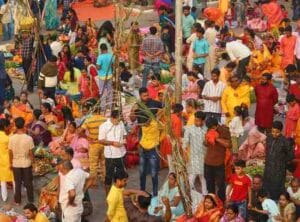
Chhath Puja Arghya 2025 UK: Sunset & Sunrise Prayer Guide
Chhath lands on the UK clock-change weekend, which means timing matters more than ever this year. This Chhath Puja Arghya 2025 UK – Sunset & Sunrise Prayer Guide brings you the full four-day schedule, practical BST→GMT tips, city-region timing windows, a 3-minute method to get your exact arghya minute, and a precise vidhi for Sandhya (evening) and Usha (morning) offerings. It also includes safety, permits, eco-friendly practices, and volunteer runbooks so religious devotees, traditional ritual followers, and sun worshippers can celebrate calmly, safely, and on time.
Use this as your planning backbone. Verify your exact sunset and sunrise minute for your chosen spot, prepare a compact thali, run T–10 and T–0 cues, and let intention, precision, and serenity do the rest.
Table of Contents
- 2025 UK dates, BST→GMT clock change, and why it matters
- Sandhya & Usha timing windows (by UK region) + buffers
- The exact-minute method: find your sunset/sunrise in 3 minutes
- Arghya vidhi: precise steps for Sandhya and Usha
- Four-day vrati flow: Nahay Khay to Usha Arghya & paran
- Thali, clothing, and logistics checklists
- Safety, permits, and eco practices (councils + Canal & River Trust)
- Site selection: lakes, ponds, canals, and inland lawn pockets
- Temple synergy: how to blend mandir satsang and ghat arghya
- Sample itineraries for families and community groups
- Volunteer roles and on-the-day runbook
- Photos, music, and respectful sound guidance
- Case studies from UK communities
- Key statistics and authoritative sources
- Internal and external resources
2025 UK dates, BST→GMT clock change, and why it matters
Chhath is a four-day vrat anchored to local sunset and sunrise. In 2025, the UK clocks change during the festival.
- Day 1, Nahay Khay: Saturday, 25 October 2025 (BST)
- Day 2, Kharna: Sunday, 26 October 2025 (BST ends at 02:00 → clocks go back to 01:00 GMT)
- Day 3, Sandhya Arghya: Monday, 27 October 2025 (GMT)
- Day 4, Usha Arghya & paran: Tuesday, 28 October 2025 (GMT)
What this means
- Use GMT for both Sandhya (27 Oct) and Usha (28 Oct).
- Post the exact sunset/sunrise minute for your chosen park to your family/community WhatsApp group the day before each offering.
- Run two simple cues: T–10 (soft quiet) and T–0 (pour) to align offerings to the minute.
Sandhya & Usha timing windows (by UK region) + buffers
Use these reference windows to plan travel and staging. Always verify the exact minute for your spot via timeanddate or the Met Office on the day.
| Region/City band | Sandhya Arghya (Mon 27 Oct) | Usha Arghya (Tue 28 Oct) | Arrive by (Sandhya/Usha) |
|---|---|---|---|
| London & South East | ~16:45–16:55 GMT | ~06:55–07:05 GMT | 16:00 / 06:15 |
| West Midlands (Bham, Cov, Wolves) | ~16:45–16:55 | ~07:00–07:10 | 16:00 / 06:20 |
| East Midlands (Leicester, Notts, Derby) | ~16:45–16:55 | ~07:00–07:10 | 16:00 / 06:20 |
| North West (Manchester, Liverpool) | ~16:50–17:00 | ~07:05–07:20 | 16:05 / 06:25 |
| Yorkshire & Humber (Leeds, Bradford, Sheffield) | ~16:45–16:55 | ~07:05–07:20 | 16:00 / 06:25 |
| South West (Bristol) | ~16:50–17:00 | ~07:00–07:10 | 16:05 / 06:20 |
| Wales (Cardiff, Newport) | ~16:50–17:00 | ~07:00–07:15 | 16:05 / 06:20 |
| Scotland (Glasgow, Edinburgh) | ~16:40–16:55 | ~07:10–07:25 | 15:55 / 06:30 |
| Northern Ireland (Belfast) | ~16:50–17:00 | ~07:20–07:35 | 16:05 / 06:35 |
Planning buffers
- Families: 30–40 minutes early for Sandhya; 30–40 minutes early for Usha.
- Medium groups (30–80): 45–60 minutes early.
- Large gatherings (100+): 60–90 minutes early to mark lanes, brief volunteers, and cue silence.
The exact-minute method: find your sunset/sunrise in 3 minutes
- Open a reliable sun-time source
- timeanddate (choose your town/city park) or the Met Office sunrise/sunset page.
- Select the location nearest your ghat or lawn pocket
- Search your borough, nearby park, or town. Differences across a few miles are small, but pick the closest reference.
- Choose the dates
- Sunset for Monday, 27 Oct 2025 (Sandhya Arghya).
- Sunrise for Tuesday, 28 Oct 2025 (Usha Arghya).
- Share and set alarms
- Post the minute to your WhatsApp/Telegram group and lamination card.
- Phone alarms: T–40 (assemble soops), T–10 (quiet), T–0 (pour cue).
- Re-check on the day
- Verify 2–3 hours before in case of visibility/weather notes.
If an edge is slick, muddy, narrow, or unsafe, shift a few metres inland and offer arghya facing the sun with a shallow tray/kalash. Timing and intention come before scenery.
Arghya vidhi: precise steps for Sandhya and Usha
Arghya is a focused offering of water, devotion, and gratitude. Keep it simple and punctual.
Featured Snippet: 9-step arghya offering checklist
- Place a deity image; set the soop/daura with thekua, fruits, turmeric, flowers.
- Fill the lota/kalash with clean water; add flowers or a few drops of milk.
- Stand at a shallow, firm edge (or behind a marked dry line).
- Light enclosed lamps or LED tealights; keep sand/water nearby.
- At the exact sunset/sunrise minute, pour arghya slowly while chanting Chhath geet.
- Offer thekua, fruits, and flowers with devotion.
- Hold a brief silence; complete personal prayers for family health and harmony.
- Step back safely; guide elders first; keep lanes clear for others.
- Extinguish all lamps; pack out every item and any litter.
Chanting and intention
- Soft bhajans as families arrive; silence at T–10.
- A simple sankalp before the pour aligns intention: “Surya Dev, Usha Maiya, may our home be blessed with health, clarity, and courage.”
Four-day vrati flow: Nahay Khay to Usha Arghya & paran
Day 1: Nahay Khay (Sat, 25 Oct — BST)
- Clean the kitchen and puja space; wash utensils separately.
- Vrati bathes, cooks satvik food (pumpkin/rice/dal; no onion/garlic).
- Offer first to the deity; vrati begins a disciplined diet.
Day 2: Kharna (Sun, 26 Oct — clock change overnight)
- Vrati fasts without water through the day.
- After sunset, prepare kheer (gur/sugar) and ghee-roasted roti; offer and eat once.
- Nirjala fast begins for the vrati until Usha Arghya.
Day 3: Sandhya Arghya (Mon, 27 Oct — GMT)
- Arrive early; set lanes and a clear dry line.
- Offer at the exact sunset minute; keep the ceremony compact and serene.
Day 4: Usha Arghya & paran (Tue, 28 Oct — GMT)
- Arrive pre-dawn; offer at the verified sunrise minute.
- Perform kosi (if observed) with strict fire safety.
- Touch elders’ feet; vrati breaks the fast (paran) after prayers.
Thali, clothing, and logistics checklists
Thali/samagri essentials
- Soop/daura (bamboo), lota/kalash, deep (diya), incense
- Mustard oil/ghee, cotton wicks, long lighter; enclosed lamp shades/LED tealights
- Thekua ingredients: wheat flour, gur/sugar, ghee, cardamom
- Kheer ingredients: rice, milk, gur/sugar, cardamom
- Fruits (banana, apple, coconut); turmeric, kumkum, flowers
- Sugarcane sticks/pieces (if available); seasonal produce
- Clean dupatta/shawl for the vrati; spare cloth
Cold-weather kit (late October UK)
- Layered clothing, shawls, gloves, beanies for pre-dawn chill
- Hand warmers; non-slip waterproof footwear
- Thermos with warm water for elders and non-fasters
- Rain ponchos; ground sheet if lawns are damp
- LED lanterns/headlamps with spare batteries
Logistics pack
- Cones or ribbons to mark lanes and the dry line
- Laminated signs: “Arghya Lanes,” “Dry Line,” “Exit,” “First Aid”
- Reusable tins for prasad; compostable waste bags
- Phone power bank; printed arghya minute card
Prasad packing tips
- Cool thekua fully before sealing to keep it crisp.
- Label tins “vrati,” “family,” “distribution” for smooth sharing.
- Carry a small board/knife for fruit and repack peels for home composting.
Safety, permits, and eco practices (councils + Canal & River Trust)
Water safety
- Choose shallow, firm footing; avoid algae, slick leaves, narrow towpaths, and steep banks.
- Mark a “dry line” 1–2 metres back; only vratis step briefly forward.
- Assign lane marshals; keep children with adults.
- In emergencies, call 999 and state the park name and nearest road.
Fire & lamp safety
- Prefer enclosed lamps or wind-shielded diyas; many parks limit open flames.
- Keep sand/water within arm’s reach; extinguish every flame.
- Switch to LED tealights if winds are strong or flames are restricted.
Permits and by-laws
- Local councils may require event notifications/approvals for larger groups, amplified sound, lighting, or signage.
- Canal & River Trust oversees towpaths and canal-side spaces; seek guidance for organised gatherings.
- Royal Parks, National Trust, and some estates require written permissions—apply early and carry approvals.
Eco-friendly Chhath
- Use leaf bowls/biodegradable plates; avoid plastic garlands and glitter.
- Never leave offerings in water; pack out flowers, fruit, and crumbs.
- Segregate organic waste and recyclables; leave the site spotless.
Contrarian but wise
- Ornamental lakes and ponds typically offer safer footing than active canal/river edges.
- If footing is risky, move inland and offer with a shallow tray—timing and intention matter most.
Site selection: lakes, ponds, canals, and inland lawn pockets
Pick calm, accessible spaces; keep ceremonies compact and respectful. Always confirm site rules.
London and nearby
- Walpole Park lakes — Mattock Ln, London W5 5EQ
- Northala Fields lakes — Kensington Rd, Northolt UB5 6UR
- Minet Country Park lake — Springfield Rd, Hayes UB4 0LP
- Boston Manor Park — Boston Manor Rd, Brentford TW8 9JX
- Brent Reservoir (Welsh Harp) viewpoints — Cool Oak area, NW London
- Victoria Park lakes — Grove Rd, London E3 5TB
- Fairlop Waters — Forest Rd, Ilford IG6 3HN
- Dulwich Park lake — College Rd, London SE21 7BQ
West Midlands (Birmingham and around)
- Edgbaston Reservoir (sheltered pockets) — Reservoir Rd, Birmingham
- Cannon Hill Park lake — Russell Rd, Birmingham B13 8RD
- Sutton Park (lakes) — Park Rd, Sutton Coldfield B74 2YT
- Sandwell Valley Country Park — Salters Ln, West Bromwich B71 4BG
East Midlands
- Watermead Country Park lakes — Leicester area
- Abbey Park lake — Abbey Park Rd, Leicester LE4 5AQ
- Charnwood Water — Loughborough
North West (Manchester, Liverpool)
- Heaton Park lake — Sheepfoot Ln, Manchester M25 0DL
- Sale Water Park (sheltered edges) — Rifle Rd, Sale M33 2LX
- Alexandra Park lake — 180 Russell St, Manchester M16 7JL
Yorkshire & Humber
- Roundhay Park (Waterloo Lake) — Mansion Ln, Leeds LS8 2HH
- Golden Acre Park lake — Otley Rd, Leeds LS16 8BQ
- Lister Park lake — North Park Rd, Bradford BD9 4NS
Scotland
- Glasgow: Victoria Park pond; Pollok Country Park (sheltered areas); Kelvingrove Park lawns
- Edinburgh: Inverleith Park pond; St Margaret’s Loch (Holyrood Park)
Wales
- Cardiff: Roath Park Lake — Lake Rd E, CF23 5PH
- Cosmeston Lakes Country Park — Penarth CF64 5UY
Notes
- Prefer ponds/lakes, broad canal lawns, or inland pockets with firm footing.
- Keep ceremonies compact; mark a dry line; use enclosed lamps/LEDs.
- For towpaths and canal plazas, consult the Canal & River Trust’s event guidance.
Temple synergy: how to blend mandir satsang and ghat arghya
What belongs at the mandir
- Bhajans/kirtans, pravachan, sankalp for vratis, aarti blessings, and prasad distribution.
- Volunteer staging: lane marshals, fire wardens, first-aid, waste leads.
- Space to assemble soops and samagri before heading out.
Best-of-both formats
- Temple-first (Sandhya day): Early afternoon darshan + bhajans → travel to ghat (lanes pre-marked) → Sandhya arghya at exact minute → prasad at home.
- Ghat-first (Usha day): Usha arghya at dawn → paran → morning darshan and gratitude bhajans at the temple.
Mandir etiquette
- No water-pouring arghya in main worship halls.
- Use enclosed lamps indoors only if the temple instructs.
- Keep indoor rituals smoke-light; follow on-site guidance.
Sample itineraries for families and community groups
Express family plan (works anywhere)
- 0:00–0:20: Arrive; compact thali setup; lanes visible.
- 0:20–0:30: Quiet at T–10; recite sankalp.
- 0:30–0:40: Arghya at exact minute; two quick photos; prasad; cleanup.
Medium group (45–80 people)
- T–60: Lanes marked; fire and first-aid stations ready.
- T–30: Arrival window; distribute waste bags; lamp safety brief.
- T–10/T–0: Quiet cue; pour cue; calm exit; leave-no-trace sweep.
Large community gathering (100+)
- T–90: All lanes and signage in place; volunteers briefed.
- T–60: Arrival begins; timekeeper confirms minute; buffers locked.
- T–10/T–0: Cues run; lane marshals manage flow.
- T+15: Exit lanes; embers checked; waste segregated.
Volunteer roles and on-the-day runbook
Core roles
- Convenor: overall timing and final decisions.
- Timekeeper: posts verified minute; runs T–10 and T–0 cues.
- Lane Marshals: mark lanes, hold dry lines, manage flow.
- Fire Wardens: enclosed lamps, sand/water buckets, ember checks.
- First Aid: bandages, saline wipes; hydration for non-fasters.
- Waste Leads: compostable bags; final leave-no-trace sweep.
Sandhya runbook (example)
- T–90: Lanes/exits marked; lighting tested; footing verified.
- T–60: Families arrive; soops arranged; lamp setup (enclosed).
- T–10: Quiet cue; lotas ready; phones on silent.
- T–0: Single “now” pour; lane-by-lane sequence.
- T+15: Controlled exit; ember check; final sweep.
Usha runbook (example)
- Pre-dawn arrival; low light; minimal sound.
- Offer at verified sunrise minute.
- Guide to paran area; segregate waste; thank volunteers.
Signage pack (laminated A4/A3)
- “Arghya Lanes” • “Dry Line” • “Exit” • “First Aid” • “Volunteer Check‑in” • “Lost & Found”
Photos, music, and respectful sound guidance
- Photos: Take 2–3 quick, respectful shots after the offering; avoid blocking lanes; no flash in eyes.
- Music: Keep bhajans at family-friendly volumes; soften or pause in the final 5 minutes.
- Dhol/taashe: Celebrate after arghya—away from the waterline and lanes.
- Drones: Only where permitted and away from crowds/wildlife.
Case studies from UK communities
West London, ornamental-lake first
- A group chose a lake over a canal towpath. They posted the exact minute a day early, used enclosed lamps, and ran T–10/T–0 cues. Result: to-the-minute arghya, steady lanes, 12-minute cleanup.
Birmingham, sheltered reservoir corner
- Volunteers staged two lanes along a calm shelf at Edgbaston Reservoir. A compact thali rule and labelled prasad tins kept movement light and sharing smooth. Usha arghya ended on time.
Leicester, Watermead Country Park
- The team marked lanes with cones and set a wide dry line. With LED tealights and a clear pour cue, Sandhya offerings synced perfectly despite breeze.
Manchester, lake over river stones
- Families skipped river stones for a park lake’s firm edge. The timekeeper used timeanddate for the minute; the group wrapped in 20 minutes and left the site spotless.
Cardiff, Roath Park Lake
- A family cluster arrived 50 minutes early, staged elder seating behind the dry line, and used hand warmers. Usha arghya was offered at the exact minute; paran began by 07:20.
Key statistics and authoritative sources
- Hindus in England & Wales: ~1.0 million (2021 Census), reflecting strong festival participation across UK cities.
Office for National Statistics — https://www.ons.gov.uk/ - UK drowning context highlights caution at canals, rivers, and lakes during events.
Royal Life Saving Society UK — https://www.rlss.org.uk/ - Sun times and the UK clock change (BST→GMT) tools for precise planning.
timeanddate – UK sun and DST pages — https://www.timeanddate.com/ - Park and towpath guidance for organised gatherings.
Canal & River Trust — https://canalrivertrust.org.uk/
Local councils (parks/events) — check your borough website
These sources underpin timing precision, safety, and compliance.
Related internal guides
- Southall Chhath Puja 2025: West London Bihar Community Events Guide
- Chhath Puja UK Temples 2025 – Hindu Mandir Celebrations Guide
- Birmingham Chhath Puja 2025 – West Midlands Community Events
- When is Chhath Puja 2025 in UK – Dates, Times & Rituals
- Chhath Puja London 2025 – Events & Community Celebrations
Authoritative external links
- ONS – Census 2021 — https://www.ons.gov.uk/
- timeanddate – Sun times & DST — https://www.timeanddate.com/
- Met Office – Weather & sunrise/sunset — https://www.metoffice.gov.uk/
- RLSS UK — https://www.rlss.org.uk/
- Canal & River Trust — https://canalrivertrust.org.uk/
- TfL Journey Planner — https://tfl.gov.uk/plan-a-journey/
- National Rail Enquiries — https://www.nationalrail.co.uk/
- Traveline UK — https://www.traveline.info/
FAQ section
What are the exact Chhath Puja 2025 dates in the UK, and when do clocks change?
Nahay Khay is Sat 25 Oct (BST), Kharna is Sun 26 Oct (BST ends early morning), Sandhya Arghya is Mon 27 Oct (GMT), and Usha Arghya is Tue 28 Oct (GMT), followed by paran.
How do I time Sandhya and Usha correctly after the clock change?
Use GMT for both days. Align Sandhya to local sunset on Mon 27 Oct and Usha to just-before local sunrise on Tue 28 Oct. Verify the minute via timeanddate or the Met Office.
What’s the fastest way to get my exact arghya minute?
Open timeanddate, choose your town/park, check sunset (27 Oct) and sunrise (28 Oct), post the minute to your group, and set T–40, T–10, and T–0 alarms.
Can we pour arghya inside a temple?
No. Arghya is a water-edge rite. Temples can host bhajans, pravachan, sankalp, and prasad—but the pouring belongs at a safe lake/pond/canal lawn or, if needed, at home with a shallow tray.
Which locations are safer for arghya—rivers or lakes?
Ornamental lakes, ponds, and broad canal lawns with firm footing are safer than narrow towpaths or steep riverbanks. If footing is risky, step inland and offer with a shallow tray.
Do we need permits for community gatherings?
Small families usually don’t. Larger groups, amplified sound, lighting, or towpath use may require council or Canal & River Trust permissions. Apply early and carry approvals.
Are diyas allowed in parks?
Rules vary by site. Prefer enclosed lamps or LEDs; keep sand/water on hand; extinguish every flame; follow local by-laws and staff guidance.
What should the vrati pack for late October weather?
Layers, shawls, non-slip waterproof footwear, hand warmers, enclosed lamps/LEDs, labelled prasad tins, compostable bags, and a compact, wind-safe thali.
How do we keep the ceremony punctual and calm?
Publish the exact minute the day before, arrive with buffers, run T–10 (quiet) and T–0 (pour) cues, keep lanes clear, and finish with a leave-no-trace sweep.
What if visibility is poor or banks are muddy?
Timing still holds—offer at the verified minute. Choose a firmer spot or move inland a few metres and offer facing the sun with a shallow tray/kalash.
Conclusion with CTA
Chhath Puja Arghya 2025 UK – Sunset & Sunrise Prayer Guide gives you the dates, the clock-change context, the timing windows, and a precise, simple way to hit your minute. Choose safe lakes or canal lawns, mark a dry line, use enclosed lamps, and let T–10/T–0 cues keep the vrati’s moment serene and exact. Blend temple bhajans with correctly timed arghya and a gentle, eco-friendly cleanup.
Next steps:
- Verify your sunset/sunrise minute and post it to your group today.
- Print lane maps and signage (Arghya Lanes, Dry Line, Exit, First Aid).
- Pack enclosed lamps, sand/water, eco bags, warm layers—and prep thekua a day early.
- Share this guide with your temple committee or family cluster and invite one more volunteer to co-host the cleanup.
May Surya Dev and Usha Maiya bless every UK home with health, clarity, and light.