Chhath Puja Perth 2025: Western Australia Community Celebrations. Oct 25–28 dates, Perth ghats + addresses, sunset/sunrise, vidhi, safety, permits—plan now.
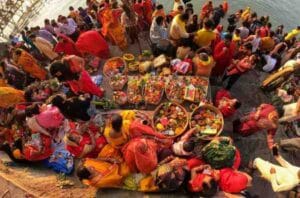
Chhath Puja Perth 2025: Western Australia Community Celebrations Guide
Chhath Puja Perth 2025: Western Australia Community Celebrations is your one-stop plan for the entire four-day festival—Nahay Khay, Kharna, Sandhya Arghya, and Usha Arghya—tailored to the Perth Bihar–Jharkhand community. In Perth, families gather at the Swan and Canning River foreshores and nearby lakes, where safe, shallow edges and clean water make for serene arghya offerings.
This guide includes exact dates for 2025, Perth’s approximate sunset and sunrise reference windows, a full puja vidhi you can follow, and a curated list of popular community ghats with addresses. You’ll also find safety and permit tips, eco-friendly best practices, transport guidance, volunteer roles, and ready-to-use checklists. Use it to coordinate your vrati’s needs, synchronise with your local group, and ensure a peaceful, on-time celebration.
Table of Contents
- 2025 Chhath Puja dates in Perth (Oct 25–28)
- Perth sunset and sunrise reference windows (AWST)
- Perth ghats and water venues with addresses
- Complete Chhath Puja vidhi, day by day
- Vrati samagri checklist and prasad tips
- Safety, permits, and eco-friendly practices
- Transport, parking, and accessibility in Perth
- Volunteer roles and crowd flow at the ghat
- Suburb-wise itineraries to reach the ghat on time
- Memory-making: photos, music, and drums
- Key statistics and sources
- Internal and external resources
2025 Chhath Puja dates in Perth (Oct 25–28)
Chhath is a four-day vow of purity and gratitude to Surya (Sun) and Usha (Dawn). The vrati (devotee) follows a strict regimen from the first day through to Usha Arghya on the fourth morning.
- Nahay Khay (Day 1): Saturday, 25 October 2025
Clean the home and kitchen. Vrati bathes, cooks satvik food, and begins a simple, pure diet. - Kharna (Day 2): Sunday, 26 October 2025
Vrati observes a day-long fast and breaks it after sunset with kheer–roti. From this point, the vrati keeps a nirjala (waterless) fast until the final morning offering. - Sandhya Arghya (Day 3): Monday, 27 October 2025
Evening offering to the setting sun at a ghat or safe water’s edge. - Usha Arghya (Day 4): Tuesday, 28 October 2025
Morning offering to the rising sun; vrati breaks the fast (paran) after completing prayers.
Featured snippet: Four-day schedule at a glance
- Oct 25: Nahay Khay
- Oct 26: Kharna (post-sunset prasad)
- Oct 27: Sandhya Arghya (sunset offering)
- Oct 28: Usha Arghya (sunrise offering) and paran
Perth sunset and sunrise reference windows (AWST)
Western Australia does not observe Daylight Saving Time. Plan using Australian Western Standard Time (AWST).
Approximate Perth reference for Chhath offerings
- Sandhya Arghya (Mon, Oct 27): around 6:30–6:40 PM AWST (sunset)
- Usha Arghya (Tue, Oct 28): around 5:30–5:35 AM AWST (sunrise)
How to use this
- Arrive at your chosen ghat 45–60 minutes before sunset on Day 3 and 30–45 minutes before sunrise on Day 4.
- Align your final offering with local sunset and just-before local sunrise at your exact location.
- Verify on the day via the Bureau of Meteorology or timeanddate for your postcode or suburb.
Pro timing tip: Give vratis a quiet 5-minute silence just before the offering. Organisers can prompt a calm “now” cue when the sun edges meet the horizon.
Sources for sun times
- Bureau of Meteorology (BOM) – Perth sunrise/sunset
- timeanddate – location-based sun times
Perth ghats and water venues with addresses
These are widely used riverfronts, lakes, and parks that Perth Hindus often choose for Chhath. Final venues can vary each year. Always confirm your group’s official assembly point and any permit requirements with the relevant council.
Swan River foreshore (central and south)
- Sir James Mitchell Park (South Perth Foreshore) — South Perth Esplanade, South Perth WA 6151
Coode Street Jetty area (popular): Coode St & South Perth Esplanade, South Perth WA 6151 - McCallum Park (Victoria Park Foreshore) — Garland St & Canning Hwy, Victoria Park WA 6100
- Burswood Park (Swan River) — Camfield Dr, Burswood WA 6100
Swan River foreshore (west and north)
- Matilda Bay Reserve — Hackett Dr, Crawley WA 6009
- Mardalup Park (East Perth Foreshore) — Brown St, East Perth WA 6004
- Banks Reserve — 60 Joel Terrace, Mount Lawley WA 6050
Swan River foreshore (downstream)
- Point Walter Reserve — Honour Ave, Bicton WA 6157
- Bayview Terrace Foreshore (near Point Resolution Reserve) — Bay View Tce, Mosman Park WA 6012
Canning River venues
- Deep Water Point Reserve — The Esplanade, Mount Pleasant WA 6153
- Kent Street Weir Park (Canning River Regional Park) — Kent St, Wilson WA 6107
- Shelley Foreshore Park — Riverton Dr N, Shelley WA 6148
Additional lake/park options (check water access and council permissions)
- Lake Monger Reserve — Lake Monger Dr, Wembley WA 6014
- Tompkins Park Foreshore — 632 Canning Hwy, Alfred Cove WA 6154
Notes before you choose a ghat
- Pick a shallow, firm edge with good lighting and clear exit paths.
- Confirm open-flame rules for diyas; carry windshields or LED tealights if fire is restricted.
- For large gatherings, coordinate with councils (South Perth, Victoria Park, Perth, Melville, Canning, Bayswater) for permits, noise, and waste plans.
- Mark “dry lines” and barrier zones with cones or tape so vratis remain safe.
Complete Chhath Puja vidhi, day by day
Chhath emphasises purity, discipline, and exact timing. Keep your setup minimal, clean, and respectful of the environment.
Day 1: Nahay Khay (Saturday, Oct 25)
- Clean the home, kitchen, and puja area; wash utensils separately.
- Vrati bathes and prepares simple satvik food (often pumpkin, rice, and dal).
- Avoid onion, garlic, and packaged/processed foods.
- Offer the meal to the deity first, then eat; the disciplined diet begins.
Day 2: Kharna (Sunday, Oct 26)
- Vrati fasts through the day without water.
- After sunset, prepare kheer (gur or sugar), ghee-roasted roti, and fruits.
- Offer to the deity, distribute prasad, and the vrati eats once.
- From this point, the vrati observes nirjala fast till Usha Arghya.
Day 3: Sandhya Arghya (Monday, Oct 27)
- Reach the ghat 45–60 minutes before sunset for a calm setup.
- Arrange the soop/daura and place thekua, fruits, sugarcane pieces (if available), turmeric, and flowers.
- Fill lota/kalash with clean water; set diyas (use wind shields or enclosed lamps).
- As the sun nears the horizon, vrati faces the water and offers arghya (water with a touch of milk/flowers), prays for family well-being, and sings Chhath geet.
- Leave space for others; keep the flow one-way back to the dry zone.
Day 4: Usha Arghya (Tuesday, Oct 28)
- Arrive 30–45 minutes before sunrise.
- Offer arghya to the first rays of the sun.
- Perform kosi (where observed): five sugarcane stalks as a canopy, small lamps beneath, and prasad offerings with strict fire safety.
- Touch elders’ feet; vrati performs paran (breaks the fast) with simple foods after prayers.
Featured Snippet: 9-step arghya offering guide
- Place a deity image and set the soop/daura with prasad.
- Fill the lota/kalash with clean water; add flowers or a few drops of milk.
- Vrati stands at shallow, stable water; family stays just behind the dry line.
- Light diyas carefully; use wind shields or LED if breezy.
- As the sun sets/rises, pour arghya gently while chanting.
- Offer thekua, fruits, and flowers; keep the soop steady.
- Maintain silence for a few moments; complete personal prayers.
- Step back safely; help elders move out first.
- Extinguish diyas properly; clean the area and carry out all items.
Vrati samagri checklist and prasad tips
Core samagri
- Soop/daura (bamboo), lota/kalash, diya, incense
- Mustard oil or ghee, cotton wicks, long lighter/matches
- Thekua ingredients: wheat flour, gur/sugar, ghee, cardamom
- Kheer ingredients: rice, milk, gur/sugar, cardamom
- Fruits (banana, apple, coconut), turmeric, kumkum, flowers
- Sugarcane sticks/pieces (if available), seasonal produce
- Clean cloth, dupatta, extra shawl for vrati
Logistics and comfort
- LED lantern or headlamp, spare batteries
- Wipes, tissues, hand sanitiser, small towel
- Reusable bags, compostable liners, trash sacks
- First-aid sachet, drinking water for non-fasters, warm layer
Prasad planning
- Make thekua in batches; cool fully before packing so it stays crisp.
- Use lidded, reusable tins; label “vrati,” “family,” and “distribution.”
- Bring a small cutting board and knife for fruits if needed.
Safety, permits, and eco-friendly practices
Water safety
- Set up a visible “dry line” 1–2 metres from water; vratis step forward only for offering.
- Assign marshals to stand at both edges of each arghya lane.
- Use ankle-to-calf depth only; avoid slippery algae patches.
- Keep children with an adult at all times; no wading beyond the marked line.
- For emergencies, call 000. Share the GPS location or nearest park address quickly.
Fire and diya safety
- Use enclosed lamps or wind shields; avoid open flame near dry grass.
- Keep a bucket with sand/water within arm’s reach.
- Extinguish lamps fully; never leave smouldering wicks behind.
Permits and council compliance
- Coordinate with the relevant local government for your chosen ghat:
- City of South Perth (Sir James Mitchell Park): events, open-space bookings
- Town of Victoria Park (McCallum Park): event approvals
- City of Perth (Mardalup Park/East Perth): events and permits
- City of Melville (Point Walter/Alfred Cove): foreshore guidelines
- City of Canning (Kent Street Weir/Shelley Foreshore): parks and reserves
- City of Bayswater (Banks Reserve): event approvals
- Confirm rules on candles/diyas, temporary lighting, PA systems, and waste.
- Nominate a safety officer; carry a copy of permits or booking confirmations.
Eco-friendly Chhath
- Use biodegradable plates/leaf bowls; avoid plastic garlands and glitter.
- Do not leave offerings in water. Place them back in your soop and take them home for composting or proper disposal.
- Segregate waste into organic and recyclables; leave the ghat cleaner than you found it.
Contrarian but practical
- If wind or tide conditions are unsafe, shift a few metres inland and offer arghya facing the sun with a kalash kept at the water’s edge. Safety is dharma.
Transport, parking, and accessibility in Perth
Transperth basics
- Use Transperth trains and buses to reach inner-city foreshores (Esplanade/South Perth, McCallum Park, East Perth).
- Check live times and plan transfers to arrive at least 45 minutes before sunset on Day 3.
- Transperth journey planner: https://www.transperth.wa.gov.au/Journey-Planner
Driving and parking
- Popular parks offer free or timed bays; expect higher demand near sunset.
- Plan a drop-off near the ghat for vratis and elders; the driver can park a few streets away.
- Bring a small torch for the walk back.
Accessibility
- Choose ramps, paved paths, and evenly graded edges (e.g., Sir James Mitchell Park, Deep Water Point).
- Ask councils or park rangers about accessible toilets and closest disabled bays.
- For pre-dawn Usha Arghya, bring lanterns to reduce trip hazards.
Volunteer roles and crowd flow at the ghat
A calm flow transforms the experience. Assign roles before the day.
Core volunteer roles
- Ghat marshals: Manage lanes, dry line, and safe stepping points.
- Fire wardens: Supervise diyas; ensure extinguishers/sand buckets are ready.
- First-aid and hydration: Stock plasters, saline wipes, and small water bottles for non-fasters.
- Waste leads: Distribute compostable bags; end-of-event sweep.
On-the-ground flow (Sandhya Arghya)
- T–90 minutes: Volunteers mark lanes with tape/cones; set signage.
- T–60 minutes: Families arrive; vratis set soops and diyas.
- T–15 minutes: Bhajans soften; request quiet and prepare for the offering.
- 0 minute (sunset): Offer arghya; marshals cue each lane.
- T+15 minutes: Controlled exit; volunteers check for embers and litter.
On-the-ground flow (Usha Arghya)
- Arrive in darkness; keep headlamps low and avoid shining lights into others’ eyes.
- Maintain soft, minimal sound until after the offering.
- Post-offering, guide families to paran area; keep paths clear.
Suburb-wise itineraries to reach the ghat on time
Canning Vale / Willetton / Riverton
- Suggested ghat: Deep Water Point, Shelley Foreshore, or Kent Street Weir.
- Depart: 60–75 minutes before sunset; traffic on Leach Hwy and Canning Hwy can slow.
- Bring: Wind shields for diyas; spare shawl for vrati.
Baldivis / Rockingham / Kwinana
- Suggested ghat: Point Walter Reserve (Bicton) or Sir James Mitchell Park.
- Depart: 90 minutes before sunset to allow for Kwinana Fwy delays.
- Parking: Use side streets near Honour Ave (Point Walter) or Coode St (South Perth).
Joondalup / Clarkson / Butler
- Suggested ghat: Matilda Bay Reserve or Banks Reserve.
- Depart: 75–90 minutes before sunset; Mitchell Fwy can be unpredictable.
- Note: Matilda Bay has grassed edges with good visibility; keep diyas enclosed if breezy.
Ellenbrook / Midland / Morley
- Suggested ghat: Banks Reserve, Mardalup Park, or McCallum Park.
- Depart: 60–75 minutes early; allow time for inner-city parking.
- Tip: Assign a driver to drop the vrati and elders at the closest entrance.
Fremantle / Melville / Alfred Cove
- Suggested ghat: Point Walter Reserve or Tompkins Park Foreshore.
- Depart: 45–60 minutes before sunset if you’re very local; more if crossing Canning Hwy.
- Note: Check wind along the open foreshore; pick a slightly sheltered pocket.
Perth CBD / East Perth / Victoria Park
- Suggested ghat: Mardalup Park, Burswood Park, or McCallum Park.
- Depart: 45 minutes before sunset; consider walking or cycling where safe.
- Advantage: Good lighting and paved paths for elders and kids.
Memory-making: photos, music, and drums
- Photos: Take a couple of quick, respectful shots after the offering. Keep aisles clear and avoid using flash in people’s eyes.
- Music: Keep bhajans at community-friendly volumes; switch to softer tracks just before the offering.
- Dhol/taashe: Joyful after the arghya, but pause during the exact offering for silence.
Key statistics and sources
- Hinduism is Australia’s fastest-growing religion, rising to 2.7% of the population in the 2021 Census.
Source: Australian Bureau of Statistics (ABS), 2021 Census — https://www.abs.gov.au/ - India-born migrants are among Australia’s largest overseas-born groups, supporting vibrant Hindu festivals in every capital city.
Source: ABS, 2021 Census country of birth — https://www.abs.gov.au/ - Australia recorded 281 drowning deaths in 2022–23; rivers and inland waterways are high-risk environments, underlining the need for marshals and shallow-water planning.
Source: Royal Life Saving – Australia, National Drowning Report — https://www.royallifesaving.com.au/ - Perth does not observe Daylight Saving Time; all Chhath times run on AWST in October.
Source: timeanddate – Time in Perth — https://www.timeanddate.com/worldclock/australia/perth - Local event and open-space guidelines help ensure safe, permitted gatherings at the foreshore.
Sources: City of South Perth (events) — https://southperth.wa.gov.au/ | City of Melville (events) — https://www.melvillecity.com.au/
These references support accurate timing, safety, and compliance for a smooth Perth celebration.
Related internal guides
- Chhath Puja 2025 Australia: Complete Celebration Guide & Dates
- Chhath Puja Dates 2025 Australia: October 25–28 Celebration Schedule & Ghats
- Chhath Puja 2025 Melbourne: Events, Celebrations & Arghya Timing
- Chhath Puja Sydney 2025 – Bihar Community Celebrations & Events Guide
- Best Diwali Fireworks UAE 2025: Burj Khalifa, Global Village & Al Seef Shows
Authoritative external links
- Australian Bureau of Statistics — https://www.abs.gov.au/
- Bureau of Meteorology — http://www.bom.gov.au/
- timeanddate (Perth sun times) — https://www.timeanddate.com/sun/australia/perth
- Royal Life Saving – Australia — https://www.royallifesaving.com.au/
- Transperth Journey Planner — https://www.transperth.wa.gov.au/Journey-Planner
- City of South Perth (events) — https://southperth.wa.gov.au/
- City of Melville (events) — https://www.melvillecity.com.au/
- Town of Victoria Park (bookings) — https://www.victoriapark.wa.gov.au/
- City of Canning (parks) — https://www.canning.wa.gov.au/
- City of Perth (events) — https://perth.wa.gov.au/
Frequently Asked Questions
What are the Chhath Puja dates for Perth in 2025?
Chhath runs from Saturday, 25 October to Tuesday, 28 October 2025: Nahay Khay (25th), Kharna (26th), Sandhya Arghya (27th evening), and Usha Arghya with paran (28th morning).
How should I time Sandhya and Usha Arghya in Perth?
Use AWST. Expect sunset around 6:30–6:40 PM on Oct 27 and sunrise around 5:30–5:35 AM on Oct 28. Arrive early and verify exact times for your location via BOM or timeanddate.
Which Perth ghats are commonly used, and what are the addresses?
Popular options include Sir James Mitchell Park (South Perth Esplanade, South Perth), McCallum Park (Garland St & Canning Hwy, Victoria Park), Matilda Bay Reserve (Hackett Dr, Crawley), Point Walter Reserve (Honour Ave, Bicton), Deep Water Point (The Esplanade, Mount Pleasant), and Kent Street Weir Park (Kent St, Wilson). More addresses are listed above.
Are diyas allowed at all foreshore parks?
Rules vary by council and conditions. Use enclosed lamps or LED tealights if open flames are restricted. Always carry sand/water to extinguish and follow ranger instructions.
What does the vrati need to prepare?
Soop/daura, lota/kalash, diya and wicks, thekua, kheer ingredients, fruits, turmeric/kumkum, flowers, and a clean dupatta. Bring wipes, lanterns, and compostable bags for an eco-friendly setup.
Can we perform kosi at the ghat?
Yes, where space and safety permit. Use five sugarcane stalks as a canopy, keep lamps enclosed, and follow fire safety rules. Many families choose to do kosi at home to reduce wind risk.
What should volunteers focus on during the offering?
Mark dry lines, keep arghya lanes clear, cue silence one minute before the offering, watch for trip hazards, and manage a tidy exit. Ensure diyas are fully extinguished and all waste is packed out.
Conclusion and Call-to-Action
Chhath Puja Perth 2025: Western Australia Community Celebrations brings together devotion, discipline, and community care on the Swan and Canning River foreshores. With clear dates (Oct 25–28), safe Perth ghats and addresses, and reference windows for sunset and sunrise, you can plan a calm arghya and a meaningful paran. Keep the vrati’s needs at the centre, arrive early, and build a simple, eco-friendly setup that honours both tradition and the river.
Save this guide, verify your suburb’s sun times, and confirm your group’s ghat and permit details. Share it with your family WhatsApp group, assign volunteer roles, and prep thekua a day ahead. Which ghat will your family choose—Sir James Mitchell Park, Point Walter, or Deep Water Point?