Krishna Janmashtami 2026 Australia Complete Festival Guide—date, Nishita (midnight) puja time, fasting, puja vidhi, and city temple events. Plan now.
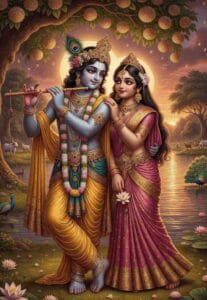
Krishna Janmashtami 2026 Australia Complete Festival Guide: Date, Puja Vidhi & Events
The hardest part of Janmashtami in Australia isn’t devotion—it’s coordination. The most important worship moment is around midnight, but that’s also when kids are asleep, parking is tight, and you’re trying to figure out whether your temple is celebrating tonight or tomorrow night. If you’re searching Krishna Janmashtami 2026 Australia Complete Festival Guide, you’re probably looking for one reliable place that answers everything: the likely date, the best puja time (especially the midnight Nishita window), what to do at home, and where to celebrate across major cities.
This guide is written for Hindu families, Indian Australians, Nepalese families, and ISKCON devotees who want practical clarity. You’ll learn how Janmashtami is decided (tithi-based, not calendar-based), how to confirm your local timing, a full home puja vidhi you can actually follow, fasting and parana guidance, and a city-by-city event-style listing of what most temples and ISKCON centres in Australia typically do.
Most importantly, you’ll leave with a plan that feels devotional and realistic.
Krishna Janmashtami 2026 Australia Complete Festival Guide: Quick Facts (Save This)
When is Krishna Janmashtami 2026 in Australia? (Featured snippet answer)
Here’s the clean, practical answer most people want:
- Expected Krishna Janmashtami date in Australia: Friday, 4 September 2026
- Alternate celebration night (some temples/communities): Saturday, 5 September 2026
- Most important worship moment: Nishita Kaal (around local midnight)
- Best time to reach a temple for midnight aarti: 9:00–10:00 pm (so you’re settled before the last rush)
- Best “family plan” if kids can’t stay awake: early temple darshan + home midnight aarti
Important: Janmashtami is decided by tithi (Hindu lunar timing). Therefore, different temples in Australia may observe Janmashtami on different nights depending on whether Ashtami covers midnight locally.
To confirm exact tithi and Nishita time for your city in Australia, use a location-based panchang tool:
To find ISKCON centres in Australia and verify local announcements:
Why Janmashtami Doesn’t Have One “Fixed Date” in Australia (And Why That’s Normal)
First, Janmashtami is based on Ashtami tithi—not the printed calendar
In the simplest terms, Krishna Janmashtami is observed on Krishna Paksha Ashtami (8th lunar day of the dark fortnight). The festival “date” depends on when Ashtami tithi is active in your location, especially around midnight.
Additionally, many traditions emphasize the midnight moment because Krishna’s birth is celebrated at night—so whether Ashtami spans local midnight becomes the key deciding factor.
Why two temples can celebrate on different nights (and both can be correct)
If you see two nights advertised in your city, it’s usually because:
- Ashtami starts late and overlaps into the next night
- Ashtami may or may not cover midnight depending on the local time zone
- Different traditions apply different rules in edge cases
- Some communities also track Rohini nakshatra overlap in their decision-making
However, this is not a reason for conflict. In Australia, the healthiest approach is: follow the temple/community you are attending, and align your home puja to your local Nishita window.
The Australia time-zone twist (especially Perth vs the east coast)
Australia’s time zones can shift the tithi boundary in ways that surprise people. Perth is the classic example: your “midnight” is not the east coast midnight, and lunar boundaries can feel “off” if you compare posters across states.
Therefore, for this Krishna Janmashtami 2026 Australia Complete Festival Guide, the rule is simple:
- Always confirm timings using your city/location setting, not a generic “Australia” graphic.
Puja Timings in Australia: Nishita (Midnight) Window, Aarti Time & Parana
What is Nishita Kaal (in plain language)?
Nishita Kaal is the midnight window associated with Krishna’s appearance. For most devotees, it is the spiritual peak of Janmashtami.
In practical terms, this is when temples often do:
- Midnight aarti
- Krishna abhishek (bathing ceremony)
- The loud, joyful “birth moment” chants and kirtan peak
- Special midnight prasadam distribution
How to check the exact Krishna Janmashtami 2026 puja time for your suburb (3 steps)
To get accurate timings:
- Open the Janmashtami timing page: https://www.drikpanchang.com/festivals/janmashtami/krishna-janmashtami-date-time.html
- Set your location (Sydney, Melbourne, Brisbane, Perth, Adelaide, Canberra, etc.).
- Note three lines:
- Ashtami tithi start/end
- Nishita Kaal (midnight window)
- Parana time (fast-breaking time)
Additionally, if your temple posts a schedule without tithi details, you can still plan your personal worship around Nishita time from your local panchang.
Approximate Nishita planning windows (Australia-wide guide)
These are planning windows only (not a replacement for checking your city timing):
- Sydney / Melbourne / Canberra / Hobart: roughly 11:40 pm – 12:40 am
- Brisbane / Gold Coast: roughly 11:30 pm – 12:30 am
- Adelaide / Darwin: roughly 11:25 pm – 12:25 am
- Perth: roughly 11:05 pm – 12:05 am
Therefore, if you’re aiming for temple midnight aarti, plan to arrive at least 60–90 minutes earlier.
What to Expect at Janmashtami Celebrations in Australia (Temple + ISKCON Style)
The typical Janmashtami “flow” at Australian temples
Most Australian temple celebrations follow a similar rhythm:
- Early evening: darshan + jhanki (decorations) + lighter bhajans
- Evening: Krishna katha (story/talk) + cultural performances in some places
- Late night: continuous kirtan leading up to midnight
- Midnight: peak aarti + possible abhishek
- After midnight: prasadam distribution and slow exit
Additionally, bigger crowds usually arrive late. If you want a calm experience, early evening is your friend.
What’s different about ISKCON Janmashtami nights
ISKCON-style Janmashtami programs often feel more kirtan-focused, and the late-night chanting can be the main “engine” of the celebration. You’ll often see:
- longer kirtan blocks (call-and-response style)
- Krishna-katha (short talks)
- a structured build-up toward midnight
- a strong seva (volunteering) culture
To locate your nearest ISKCON centre in Australia and verify local announcements for 2026:
Personal observation: In Australia, the most peaceful Janmashtamis I’ve attended weren’t always the biggest ones. They were the ones where we arrived early, sat down, and let kirtan do its work—without the stress of rushing in at 11:55 pm.
City-by-City Event Listing (Australia): Where to Celebrate Janmashtami in 2026
This section of the Krishna Janmashtami 2026 Australia Complete Festival Guide is an event-style planning hub. Exact schedules vary each year, but these notes reflect what major Australian communities typically do and how to plan smartly.
Sydney & NSW (largest crowds, strongest midnight rush)
What to expect:
- packed midnight programs at major temples and ISKCON-style centres
- long kirtan sets and late-night cultural items
- parking challenges near midnight
Best plan:
- arrive earlier than you think (9:00–10:00 pm for midnight focus)
- consider public transport where realistic
- families often do early darshan + home midnight aarti
Melbourne & Victoria (family-heavy, cold late-night exits)
What to expect:
- strong family participation and kids’ dress-up early evening
- cultural programs in many community venues
- chilly post-midnight exits (September can feel cold)
Best plan:
- bring warm layers and socks for kids
- go early if you’re introducing elders or toddlers
- keep your midnight plan simple and calm
Brisbane & Queensland (community warmth, generous prasadam culture)
What to expect:
- big volunteer energy
- steady kirtan leading to midnight
- strong prasadam distribution culture
Best plan:
- if driving from outer suburbs or Gold Coast, plan return travel early
- arrive before peak to settle kids and elders
Gold Coast (youth energy + community events)
What to expect:
- temple programs plus community-run celebrations
- youth-driven kirtan groups in some years
- sometimes “Dahi Handi-style” cultural events (organiser-dependent)
Best plan:
- confirm event timing early (some programs finish before midnight)
- if you want Nishita worship, plan home midnight aarti if needed
Perth & Western Australia (time-zone difference—don’t copy east-coast dates)
What to expect:
- close-knit community feel at many venues
- Perth timing may not match east-coast posters
- midnight aarti remains central, but the calendar night can differ
Best plan:
- confirm Perth tithi and Nishita locally
- don’t argue with relatives in other states—follow your local schedule
Adelaide & South Australia (often calmer, bhajan-friendly atmosphere)
What to expect:
- manageable crowd sizes compared to bigger cities
- bhajans that feel participatory
- a cool late-night climate
Best plan:
- dress warm, especially for kids post-midnight
- early evening can be the best experience for families
Canberra & ACT (students + migrant families; cold nights)
What to expect:
- a mixed crowd: families, students, and newcomers
- strong community feel
- cold late-night exits
Best plan:
- consider early darshan + home midnight aarti for toddlers
- plan transport carefully if staying past midnight
Newcastle & Hunter (often personal, community-led)
What to expect:
- more “everyone knows everyone” vibe
- home satsangs are common for families
- temple programs may be smaller but heartfelt
Best plan:
- do early community/temple time, then calm midnight at home if needed
Hobart & Tasmania / Darwin & NT (smaller groups, home satsang common)
What to expect:
- smaller gatherings
- more home-based celebrations
- if a public program runs, it can feel intimate and welcoming
Best plan:
- reach out early and offer seva; small communities run on volunteer support
Practical tip: For Australia-wide planning, the most reliable “listing” is not a copied poster—it’s checking your temple’s official channels and confirming your local tithi/Nishita timing through a location-based panchang.
Krishna Janmashtami Puja Vidhi (Home): Simple, Proper, and Australia-Friendly
This puja section is the heart of the Krishna Janmashtami 2026 Australia Complete Festival Guide—because even if you attend temple, a short home puja keeps the festival grounded.
What you need for a simple Janmashtami home setup
You don’t need a huge altar. Start with the basics:
- Krishna murti/photo (Bal Krishna or your family form)
- Diya (or safe electric diya if needed)
- incense (optional)
- clean cloth for the altar surface
- a small lota/bowl of water
- flowers (optional)
- tulsi leaves (if available; optional)
- bhog: fruit, kheer, makhan-mishri, panjiri, or simple sweets
Additionally, if you have Laddu Gopal, keep one small cloth and a tiny “seat” ready.
Step-by-step Krishna Janmashtami puja at home (numbered)
Use this as your reliable home template:
- Clean the puja space and wash hands/face (or bathe if possible).
- Place Krishna photo/murti on a clean cloth; decorate simply.
- Light a diya and sit quietly for 30 seconds.
- Take sankalp in simple words:
- “I am observing Janmashtami to remember Lord Krishna with devotion.”
- Chant one of these (choose one and repeat with focus):
- “Om Namo Bhagavate Vasudevaya” (11 or 108 times)
- or Hare Krishna Mahamantra (1 mala or 11 minutes)
- Read or narrate a short Krishna Janma katha (2–7 minutes).
- Offer bhog (fruit/kheer/makhan-mishri).
- If doing abhishek, keep it simple and safe:
- a few drops of water or milk, then gently wipe and dress Krishna
- At/near midnight (Nishita): do aarti
- wave the diya in circles 3–7 times
- sing “Nand ke anand bhayo” or one bhajan
- Sit for 30 seconds of gratitude, then distribute prasadam.
If kids are asleep, keep midnight aarti soft and short. The goal is remembrance, not noise.
A short “Krishna Janma katha” version (easy for families)
If you want a simple story to tell:
- Krishna is born to Devaki and Vasudeva in Mathura prison.
- Vasudeva carries baby Krishna across the river to Gokul.
- Krishna grows in Vrindavan, spreading joy and protecting devotees.
- Janmashtami reminds us that divine help arrives even in difficult times.
Additionally, this short story is perfect for kids who can’t sit for long readings.
Bhog, Prasadam & Recipes That Work in Australia
Easy bhog ideas using Australian groceries (no onion/garlic)
These are common, simple, and authentic:
- Kheer (milk, rice, sugar, cardamom)
- Makhan-mishri (unsalted butter + rock sugar)
- fruit plate (banana, apple, grapes)
- Panjiri (atta roasted in ghee + sugar + nuts)
- roasted makhana in ghee
Additionally, if you’re offering sweets from a shop, check ingredients and keep one portion untouched for the offering first.
A practical hosting tip (that saves stress)
If you’re inviting guests on Janmashtami night:
- keep bhog to 2–3 items, not 10
- focus on one signature prasadam (kheer is the easiest crowd-pleaser)
- pre-portion for kids so the midnight chaos doesn’t turn into a mess
Fasting (Vrat) and Parana: Realistic Guidance for Australia
This is where many people quietly struggle. In Australia, Janmashtami often falls on a work/school day, and strict fasting can become unsafe or miserable.
Common fasting options (choose what’s sustainable)
Pick one, and do it with a peaceful mind:
- Nirjala (no water): traditional, but not for everyone
- Water-only: manageable for some adults
- Phalahar (fruit/milk/yoghurt/nuts): best for families
- One satvik meal: great for beginners and busy workers
Additionally, for kids, a “mini vrat” works well:
- no junk food until aarti
- fruit-only after school
- helping with bhog as their main devotion
Parana (breaking the fast): don’t guess
Parana timing can be specific. Therefore:
- check parana time in your city using the location-based panchang
- if you attended a temple program, follow their guidance
Use: https://www.drikpanchang.com/festivals/janmashtami/krishna-janmashtami-date-time.html
Temple Night Planning: How to Actually Enjoy Midnight Aarti in Australia
The “arrive at 11:45 pm” myth (and why it backfires)
Many people try to arrive right before midnight. In Australia, that often means:
- parking stress
- shoe area bottlenecks
- no place to sit
- a distracted mind during the main aarti
Therefore, for a real midnight experience, arrive 9:00–10:00 pm and settle.
What to pack for a Janmashtami temple night (quick list)
- socks (temple floors can be cold)
- shawl/light jacket (September nights can surprise you)
- phone power bank
- wet wipes/tissues
- a small mat for sitting (if allowed)
- water (if your fasting style allows)
- quiet activity for kids (book/beads/colouring)
Additionally, bring patience. Festival nights are crowded because the community is growing—and that’s actually a good thing.
Etiquette basics (especially at ISKCON-style programs)
- dress modestly and comfortably
- remove shoes where required
- keep phone silent
- avoid flash photos during aarti
- follow volunteer instructions (they’re doing crowd safety)
Families, Teens, and Elders: Best Celebration Plans (No Guilt, No Drama)
Toddlers and preschoolers: the best plan is “two-part”
For many parents, the best Janmashtami in this Krishna Janmashtami 2026 Australia Complete Festival Guide is:
- early temple darshan
- kids sleep on time
- parents do a short midnight aarti at home
It keeps devotion strong and prevents the midnight meltdown.
Primary school kids: make them helpers
Kids stay engaged when they participate:
- let them place flowers
- let them help plate fruit
- teach one chorus: “Govinda Jai Jai…”
- keep story time short (3 minutes is enough)
Teens: give them seva or ownership
Teens often connect through purpose:
- let them volunteer at temple (seva)
- encourage them to attend youth kirtan blocks
- ask them to lead one bhajan at home
Elders: comfort is devotion too
If elders can’t stay late:
- early darshan + home satsang
- short home aarti
- no pressure to sit for hours at midnight
The contrarian truth: Krishna doesn’t demand exhaustion. He accepts sincere remembrance.
Seva, Donations, and “Transactional” Next Steps (How to Participate Beyond Attendance)
Many people want more than just “show up.” They want to contribute.
Practical ways to participate during Janmashtami:
- Volunteer (seva): shoe area, crowd guidance, prasadam serving, cleanup
- Sponsor prasadam: many temples accept sponsorship for festival food
- Donate: toward temple maintenance or festival logistics
- Support youth programs: kirtan teams, kids’ cultural programs
Additionally, if you’re new in Australia or new to ISKCON, seva is one of the fastest ways to feel connected to the community.
To locate your nearest ISKCON centre and ask about Janmashtami seva or sponsorship:
Key Statistics (Australia Context for Growing Janmashtami Celebrations)
These official stats help explain why Janmashtami events across Australia are larger every year:
- 684,002 people reported Hinduism in Australia (2021 Census).
- 673,352 people in Australia were born in India (2021 Census).
- 29.1% of Australians were born overseas (2021 Census).
Source (official): https://www.abs.gov.au/
Therefore, bigger Janmashtami nights aren’t “random.” They reflect a growing, active community—especially in major cities.
Related links :
- Janmashtami 2026 Adelaide: Temple Timings & Bhajans
- Janmashtami 2026 Canberra: Temple Events & Aarti Time
- Janmashtami 2026 Gold Coast: Dahi Handi & Events
- Krishna Janmashtami 2026 Newcastle: Puja Time & Temple Events
- ISKCON Australia Janmashtami 2026: Temple Events & Program Guide
FAQ: Krishna Janmashtami 2026 Australia Complete Festival Guid
1) What is the expected date for Krishna Janmashtami 2026 in Australia?
For most locations, the expected main celebration is Friday, 4 September 2026, with some communities observing Saturday, 5 September 2026 depending on local tithi rules. This Krishna Janmashtami 2026 Australia Complete Festival Guide recommends confirming your city timing via a location-based panchang.
2) What is the best puja time for Janmashtami in Australia?
The most important time is Nishita Kaal, the midnight window linked with Krishna’s birth. Exact minutes vary by city, so confirm your location using a panchang tool.
3) Why do ISKCON and some community temples sometimes celebrate on different nights?
Janmashtami is tithi-based, and traditions apply different rules for overlaps. ISKCON follows Vaishnava calendar decisions that may differ from regional Hindu calendars. Follow the schedule of the temple you are attending.
4) Can I do Janmashtami puja at home if I can’t go to a temple?
Yes. This Krishna Janmashtami 2026 Australia Complete Festival Guide includes a full home puja vidhi. A simple diya, one mantra, one story, and one bhog offering is a complete celebration.
5) What can I eat during Janmashtami fasting in Australia?
Many devotees follow phalahar (fruit, milk, yoghurt, nuts, makhana, sabudana depending on tradition). Choose a fasting level that is safe for your work/school and health.
6) What time should we reach the temple for midnight aarti?
If you want a peaceful midnight experience, reach by 9:00–10:00 pm. Arriving after 11:00 pm often means crowd bottlenecks and distraction.
7) How do I find ISKCON Janmashtami programs near me in Australia?
Use the official ISKCON directory to locate your nearest centre and check announcements: https://www.iskcon.org/temples/
Conclusion (with CTA)
This Krishna Janmashtami 2026 Australia Complete Festival Guide comes down to three practical steps: confirm your local tithi/Nishita timing, choose a celebration plan that fits your family’s energy, and keep the puja simple enough that you can actually stay present. If you want the full midnight temple experience, arrive early and settle in. If you’re balancing kids and work, the “early darshan + home midnight aarti” plan is often the most peaceful—and surprisingly, the most devotional.
Save this guide, share it with your family group, and comment with your city: Are you doing full temple midnight aarti, or early darshan with a calm home puja for Janmashtami 2026?