Discover how Indian Canadians celebrate Dussehra through community traditions, temple events, Ramlila, garba, food and multicultural gatherings. Use this guide to plan for the 2026 festival season and verify local event details.
Dussehra 2026 date and local event checks
The 2026 calendar consulted for this guide places Vijayadashami/Dussehra on Tuesday, October 20. Local temple observance and event dates may vary, so confirm the date and muhurat with a Canada-specific panchang or your mandir.
Indian Canadian communities may mark Dussehra with Ramlila performances, Ramayana readings, puja, cultural programs, community meals and family gatherings. These are common traditions, not a claim that a specific performance is scheduled in every city. For public events, check municipal calendars, temple websites and organizer ticket pages for the exact address, start time, admission, accessibility and weather plan.
Confirm current schedules directly with the event organizer before travelling; do not rely on last year’s venue or timing.
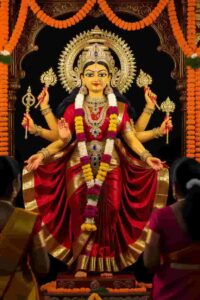
How Indian Canadians Celebrate Dussehra: Traditions and Community
What makes Dussehra in Canada uniquely powerful? It’s the blend of deep tradition, family-centred devotion, and a multicultural public sphere that increasingly recognizes Hindu festivals. In this definitive guide to How Indian Canadians Celebrate Dussehra: Community Traditions and Multicultural Government Recognition, you’ll find city‑aware muhurat notes, temple and community event formats, Ramlila and garba guides, funding and proclamation pathways, landmark light-up tips, and family-friendly plans that make the nine nights—and Vijayadashami—smooth and meaningful.
You’ll learn how to worship by tithi, celebrate inclusively, and leverage civic tools like proclamations, flag raisings, and heritage recognitions that bring Dussehra into the Canadian mainstream. Whether you’re a temple volunteer, a cultural organizer, or a family planning your first Canadian Dussehra, this guide helps you honour tradition and engage proudly in public life.
- Reading time: 22–28 minutes
- Best for: Indian Canadian diaspora, culture enthusiasts, temple volunteers, and community organizers
Table of Contents
Related 2026 guides: Hindu Temples Celebrating Dussehra in Canada and Dussehra Date and Muhurat in Canada.
- At a Glance: How Indian Canadians Celebrate Dussehra (Featured Snippet)
- Dates, Tithis, and Canadian Time Zones
- Core Traditions: Home Puja, Temple Aarti, Community Gatherings
- Ramlila, Garba & Dandiya: Family‑First Cultural Evenings
- Multicultural Government Recognition: Proclamations, Heritage Month, and Landmarks
- How to Request a City Proclamation or Flag Raising
- Landmark Light‑Ups: What’s Possible and How to Apply
- Community Funding Pathways
- City Guides: GTA, Vancouver–Surrey, Calgary–Edmonton, Ottawa–Gatineau, Montreal, Winnipeg, Atlantic Canada, Newfoundland
- Permits, Safety, and Venue Policies in Canada
- Fasting (Vrat) & Prasad: Canada‑Friendly Shopping and Menus
- Inclusive & Interfaith: Small Touches, Big Welcome
- Organizer’s Corner: 30‑Day Timeline, Budget, and Run‑of‑Show
- Key Statistics & Trends
- Resources: Internal and External Links
- Checklists You Can Use Today
- Frequently Asked Questions
- Conclusion
At a Glance: How Indian Canadians Celebrate Dussehra (Featured Snippet)
- Worship by tithi at home: Aparajita Puja, Ayudha/Shami Puja in the afternoon (Aparahna/Vijay Muhurat).
- Attend temple aarti: evening bhajans, short readings, and prasad; arrive early on Ashtami/Navami/Vijayadashami.
- Join cultural nights: Ramlila scenes, classical/folk dance, and garba/dandiya—with tutorials and family zones.
- Celebrate safely: most halls use LED/no‑flame stagecraft; follow ushers, photo rules, and capacity limits.
- Engage civically: request municipal proclamations or flag raisings; showcase Dussehra values in multicultural spaces.
- Light up landmarks: apply for heritage-themed colours where available (verify schedules and criteria).
- Invite neighbours: a 60‑second “What is Dussehra?” intro + labelled snacks makes everyone feel at home.
In Canada, tradition meets public recognition: families honour shastra at home and temples while cities celebrate diversity through proclamations, light‑ups, and cultural showcases.
Dates, Tithis, and Canadian Time Zones
Dussehra (Vijayadashami) concludes Shardiya Navratri. The nine nights are tithi-based and sunrise-dependent, which means Canadian observance windows align with local time zones, not Indian clocks.
- Typical 2026 date guidance (confirm with a current local panchang):
- Navratri Day 1: generally Sunday, October 11, 2026; confirm the local panchang.
- Vijayadashami: generally Tuesday, October 20, 2026; verify local panchang.
- Muhurat notes:
- Perform Dussehra puja in the afternoon (Aparahna), prioritizing the Vijay Muhurat within it.
- Exact windows differ by city and latitude; verify locally each year.
- Time zones across Canada:
- PDT (BC), MDT (AB), CDT (MB), EDT (ON/QC), ADT (Atlantic), NDT (Newfoundland’s +30 mins).
Where to verify:
- Set your city in a Canada-specific panchang (e.g., Drik Panchang).
- Check your temple’s bulletin for special aarti and muhurat guidance.
- Confirm DST status with the National Research Council (Canada’s Official Time).
Best practice: Set two phone reminders—10 minutes before and 5 minutes before your city’s Vijay Muhurat opens/closes.
Core Traditions: Home Puja, Temple Aarti, Community Gatherings
Canadian routines keep devotion simple and repeatable.
Home puja in the Vijay Muhurat
- Essentials: kalash/coconut/leaves (or respectful substitute), Durga/Aparajita image, diya/LED, incense, roli/kumkum, akshat, flowers, fruits, a simple sweet.
- Steps (10–15 minutes):
- Sankalpa with name, city, date/time.
- Aparajita/Devi stuti; short Durga Chalisa excerpt.
- Ayudha/Shami Puja (tilak on tools/books/instruments; offer flowers).
- Aarti, prasad, and a one‑line family pledge (truth, courage, compassion).
Safety:
- Many condos, dorms, and offices restrict flames; choose LED diyas.
- Keep children away from incense and hot ghee; never leave a flame unattended.
Temple aarti and bhajans
- Evenings on Ashtami, Navami, and Vijayadashami draw peak crowds.
- Expect structured queues, prasad distribution, and photo rules.
- Arrive early; reserve aisle spots for elders and kids.
Community gatherings
- Ramlila scenes, bhajan concerts, youth showcases, and garba/dandiya nights.
- Most indoor halls follow no‑flame policies; LED stagecraft is common.
- Ticketed RSVPs help manage capacity; keep screenshots of confirmations.
Ramlila, Garba & Dandiya: Family‑First Cultural Evenings
Garba/dandiya and Ramlila programmes are where devotion meets joy.
- Ramlila:
- Bilingual narration helps kids and newcomers.
- Short scenes, strong lighting, and clear sound keep all ages engaged.
- Photo etiquette varies; ask before close‑ups of children.
- Garba & dandiya:
- Family sessions (early, slower tempo) vs youth sessions (later, faster).
- Tutorial segment at the start boosts confidence and reduces collisions.
- Bring water, a small towel, and soft‑tipped sticks if not provided.
- Accessibility:
- Aisles and “marshal lanes” stay clear for movement and safety.
- Wheelchair seating and stroller parking should be marked—ask ushers.
First-timer tip: Stand behind a steady dancer in the outer ring. Shadow two songs—you’ll have the rhythm in minutes.
Multicultural Government Recognition: Proclamations, Heritage Month, and Landmarks
Canadian public institutions increasingly recognize Hindu heritage and festivals, reflecting a multicultural society.
- Proclamations & flag raisings:
- Many municipalities issue proclamations recognizing Dussehra/Diwali or wider Hindu heritage observances.
- Cities also host flag raisings or greetings from mayors/councils, subject to policy.
- Heritage month recognitions:
- Ontario designates November as Hindu Heritage Month (2016)—a provincial law that has inspired city-level initiatives.
- At the federal level, Parliament has recognized November as Hindu Heritage Month (2022), prompting national statements and community events.
- Landmark light‑ups:
- Landmarks in several cities have been illuminated for Hindu festivals in past years (e.g., Diwali), subject to yearly schedules and applications.
What this means for you:
- Cultural associations can plan civic-facing Dussehra programming and request official recognition in advance.
- Families see their traditions celebrated in public, strengthening youth identity and cross‑community understanding.
How to Request a City Proclamation or Flag Raising
Each city sets its own rules, but the flow is similar:
- Check eligibility:
- Search “[City Name] proclamations” or “flag raising request.”
- Review lead times (often 4–8 weeks) and criteria (non‑partisan, community significance).
- Prepare a brief:
- Event description (Dussehra overview, dates, values).
- Community impact (attendance, partners, inclusivity).
- Draft proclamation text (2–3 paragraphs, neutral tone).
- Attach supporting items:
- Association letterhead, contacts, previous event photos (if requested).
- Proof of insurance/venue booking (for flag raisings with ceremonies).
- Submit and follow up:
- Send before the deadline; note that council calendars fill quickly.
- If approved, assign a protocol volunteer to manage day‑of logistics.
- Event day:
- Keep a 10–12 minute speaking program.
- Provide bilingual cue cards (English + heritage language lines).
- Share a media kit and collect photos respectfully.
Landmark Light‑Ups: What’s Possible and How to Apply
- Identify the venue:
- Examples across Canada include city halls, towers, bridges, and civic monuments. Each has its own policy.
- Confirm availability:
- Review application windows and colour calendars. Some sites programme months in advance.
- Submit:
- Provide a non‑commercial rationale (heritage recognition), preferred date, colour palette, and any accessibility notes.
- Manage expectations:
- Light‑ups are not guaranteed and may be pre‑booked or limited by maintenance and civic priorities.
Always verify on the landmark’s official site (e.g., lighting schedule page) and save email confirmations for your team.
Community Funding Pathways
- Canadian Heritage programs:
- Community Support, Multiculturalism, and Anti‑Racism Initiatives (CSMARI) can support anti‑racism and intercultural projects (eligibility applies).
- Municipal or provincial grants:
- Some cities and provinces offer cultural celebration micro‑grants. Check deadlines and reporting rules.
- Sponsorship:
- Local businesses can fund water stations, décor, or stage segments; offer clear recognition (slides, posters, MC thanks).
Compliance:
- Use funds only for approved expenses; keep receipts and complete final reports on time.
City Guides: GTA, Vancouver–Surrey, Calgary–Edmonton, Ottawa–Gatineau, Montreal, Winnipeg, Atlantic Canada, Newfoundland
Wherever you live, you’ll find ways to honour Dussehra with devotion and community.
Greater Toronto Area (GTA)
- Temples often referenced:
- BAPS Shri Swaminarayan Mandir (Etobicoke), ISKCON Toronto, Hindu Sabha (Brampton), Vishnu Mandir (Richmond Hill), SVBF (Etobicoke).
- What to expect:
- Afternoon home puja; evening temple aarti and cultural shows.
- Parking fills quickly—arrive early; consider transit for downtown events.
Vancouver–Surrey (BC)
- Temples:
- Lakshmi Narayan Mandir (Surrey), ISKCON Vancouver, BAPS (Vancouver area).
- Flow:
- Family-first garba/dandiya in community centres; no‑flame halls with LED décor.
- SkyTrain + short bus works for many venues.
Calgary–Edmonton (AB)
- Temples:
- Hindu Society of Calgary/Hindu Cultural Society of Calgary; Hindu Society of Alberta temples, BAPS Edmonton.
- Notes:
- Mid‑day micro‑puja at work/home; evening programs in schools/community halls.
- Nights can be chilly—bring layers and non‑slip shoes.
Ottawa–Gatineau (ON/QC)
- Temples & hubs:
- Hindu Temple of Ottawa‑Carleton, ISKCON Ottawa; university centres host cultural nights.
- Tips:
- Bilingual emceeing helps mixed audiences; transit is viable for central events.
Montreal (QC)
- Temples:
- Hindu Mandir (Dollard‑des‑Ormeaux), ISKCON Montreal; community halls for performances.
- Notes:
- Proclamations and greetings are common; verify city procedures early.
Winnipeg (MB)
- Temples:
- Hindu Society of Manitoba temples and community centres.
- Tips:
- Compact, volunteer‑led programs; carpool and confirm bag policies.
Atlantic Canada (NS/NB/PEI)
- Hubs:
- University and civic halls host devotional music and value‑talks.
- Notes:
- Smaller communities—coordinate rides and LED‑only mini‑puja kits.
Newfoundland & Labrador (NL)
- Timing:
- Unique half‑hour offset (NDT)—verify muhurats carefully.
- Venues:
- Community rooms and campus spaces; indoor aarti recommended during windy evenings.
Permits, Safety, and Venue Policies in Canada
Safety and respect keep festivals welcome and repeatable.
- Permits & insurance:
- Work with venues on capacity, COI (Certificate of Insurance), and special approvals.
- Fire & life safety:
- Most halls restrict open flames indoors; choose LED/projection effects.
- Tape cables, guard speaker stands, and post exit signage.
- Accessibility:
- Reserve aisle/wheelchair seating; mark stroller parking and quiet corners.
- Photography:
- Ask consent for close‑ups, especially of children; avoid flash during aarti.
Fundraising is regulated. Donate through official temple or registered charity channels; issue receipts where appropriate.
Fasting (Vrat) & Prasad: Canada‑Friendly Shopping and Menus
Vrat practice varies; choose what works for your parampara and health.
Commonly allowed (confirm locally):
- Fruits, milk, yogurt, nuts, dates
- Sabudana (tapioca), kuttu (buckwheat), singhara (water chestnut)
- Samak ke chawal (barnyard millet), rajgira (amaranth), potatoes/sweet potatoes
- Sendha namak (rock salt), cumin, green chilies, lemon
- Ghee, coconut oil, peanut oil
Where to shop:
- South Asian grocers in your city for vrat flours, samak, makhana, spices.
- Big‑box stores (Costco, Walmart, Real Canadian Superstore, Loblaws, Save‑On‑Foods) for fruits, dairy, nuts, and ghee.
- Local mithai stores with labelled boxes (date/allergen list).
Sample day menu:
- Breakfast: fruit + yogurt; roasted makhana.
- Lunch: samak khichdi with peanuts; cucumber raita.
- Snack: sabudana chivda; baked sweet potato wedges.
- Dinner: kuttu rotis + aloo sabzi; rajgira porridge.
- Prasad: coconut laddoo or dates‑based kheer.
Hydration:
- Water, coconut water, or lemon water + a pinch of sendha namak.
- If you have health conditions, consult your physician before fasting.
Inclusive & Interfaith: Small Touches, Big Welcome
A few thoughtful steps can turn first‑time guests into lifelong friends.
- Start with a 60‑second “What is Dussehra?” explainer.
- Label snacks for nuts/dairy/gluten; keep a fruit option handy.
- Offer quiet corners for toddlers and neurodiverse guests.
- Provide bilingual signs and MC notes where possible.
- Share a simple photo‑consent policy at entry.
Inclusion is a Dussehra value in action—victory of good choices looks like courtesy and care.
Organizer’s Corner: 30‑Day Timeline, Budget, and Run‑of‑Show
Plan early and document well.
30‑day timeline
- Define scope: aarti + bhajan night, Ramlila block, or garba/dandiya.
- Book venue; confirm capacity, insurance, and no‑flame policy.
- Secure priest/emcee, band/DJ, and performance lineup.
- Draft budget; approach sponsors; open RSVP/ticketing.
- Lock AV/stage and rehearsal slots; set decibel limits.
- Map crowd flow: exits, marshal lanes, water stations, stroller/elder seating.
- Publish bag/photo policy; share transit/parking details.
- Label prasad/snacks for allergens; arrange waste sorting.
- Rehearse sound, lighting, and run‑of‑show.
- Safety walk‑through with ushers; confirm first‑aid contacts.
- Print programs with venue map and emergency numbers.
- Assign day‑of roles; keep 5‑minute buffers between segments.
Budget ranges (indicative, CAD)
- Community hall bhajans (80–150 people): $2,000–$7,000
- School/auditorium cultural night (200–500): $10,000–$40,000+
- Arena‑scale garba: $40,000–$150,000+ (band, AV, security, insurance)
Where the money goes:
- Venue + insurance (25–40%), AV + staging (20–30%), prasad/food (15–25%), décor/print (5–10%), safety/permits (5–10%), contingency (10%).
Run‑of‑show (sample)
- Doors open + soft devotional playlist
- Welcome + safety cues + 60‑second festival explainer
- Aarti + bhajan set
- Ramlila scenes/youth performances
- Values talk + gratitude roll
- Closing aarti + prasad; staggered exit by rows
Key Statistics & Trends
- South Asians are Canada’s largest visible minority group, underpinning vibrant Hindu festival networks in cities nationwide. Source: Statistics Canada, 2021 Census (Visible Minority Data Hub).
- Hindus in Canada exceeded 800,000 in 2021, reflecting steady growth and expanding temple/community infrastructures. Source: Statistics Canada, 2021 Census (Religion).
- Canada spans six time zones, including Newfoundland’s unique +30‑minute offset; muhurats must be verified per city. Source: National Research Council (NRC) — Canada’s Official Time.
- Community organisers may use online listings for aarti livestreams, RSVPs, and timing updates. Check each organiser’s official page for current information.
- Ontario recognizes November as Hindu Heritage Month (2016), and November is also marked as Hindu Heritage Month federally (2022), encouraging proclamations, education, and cultural programming. Sources: Ontario e‑Laws; Parliament/Canadian Heritage notices.
These data points explain why Dussehra in Canada pairs home/temple worship with well‑run cultural programs and growing civic recognition.
Resources: Internal and External Links
Suggested internal links:
- Navratri 2026 Dates in Canada: October 11–20 Calendar
- Edmonton Hindu Society Dussehra 2026: Alberta Temple Celebrations
- Best Navratri Events Vancouver 2026: Garba Nights Guide
- Navratri Toronto 2026: Enercare Centre, Legendary Artists
- Falguni Pathak Canada Tour 2026: Edmonton, Vancouver, Calgary
Authoritative external sources
- National Research Council — Canada’s Official Time
- Statistics Canada — Visible Minority Data Hub (2021)
- Statistics Canada — Religion in Canada (2021 Census)
- Ontario e‑Laws — Hindu Heritage Month Act, 2016
- Canadian Heritage — Multiculturalism Funding (CSMARI)
- City Proclamations/Flag Raisings — Example municipal portals | (https://www.brampton.ca/EN/city-hall/official-proclamations/Pages/Welcome.aspx)
- Landmark Lighting Schedules — Example portals | (https://www.niagaraparks.com/visit/attractions/illumination/)
Always confirm muhurats with your city set in a panchang and verify proclamations/light‑ups on official municipal or venue pages.
Checklists You Can Use Today
Family Day‑Of Checklist
- Modest ethnic wear + light layer
- LED diya (if flames restricted), flowers, prasad
- Two phone reminders around Vijay Muhurat
- Water, small snack, wipes; IDs for evening events
- Aisle seating plan; ear protection for kids
Organizer’s 10‑Minute Compliance Check
- COI/insurance confirmed; capacity posted
- Exits marked; cable taping and speaker guards
- No‑flame policy announced; LED gear tested
- Water refill stations; waste sorting labels
- Photo‑consent notice at entry
Proclamation/Light‑Up Request Pack
- 2‑page brief (festival overview, impact, partners)
- Draft proclamation text; preferred dates
- Contact info; logo files; optional photos
- Submit 6–8 weeks ahead; note follow‑up date
Office‑Friendly Mini‑Puja Kit
- Small cloth and LED tealight
- Flower, tiny bell (optional)
- Short stuti printout/app
- Nuts/dates for prasad (label allergens)
Frequently Asked Questions
How do Indian Canadians usually celebrate Dussehra?
Most families perform a brief afternoon puja at home (Aparajita/Ayudha Puja), attend temple aarti in the evening, and join cultural programs like Ramlila or garba/dandiya on key nights.
Is Dussehra a public holiday in Canada?
No. Dussehra is not a public holiday. Programs run on weeknights and weekends so families can attend after work or school.
What does “Multicultural Government Recognition” look like?
It includes municipal proclamations, flag raisings, official greetings, educational showcases, and—in some cities—landmark light‑ups for Hindu festivals or Hindu Heritage Month.
Can we burn a Ravana effigy in Canada?
Typically not in indoor venues, and outdoor fires require strict permits. Most Canadian events use LED/projection “Ravana Dahan” or symbolic segments emphasising values.
How do we apply for a city proclamation or landmark light‑up?
Check your city’s proclamations or lighting policies, gather a 2‑page brief, submit 4–8 weeks ahead, and follow protocol guidelines. Approval is not guaranteed and is subject to civic priorities.
What should I wear to temple or garba?
Modest, comfortable ethnic wear with supportive shoes. Carry a light layer in late September/early October evenings.
How do I keep fasting healthy?
Plan simple, satvik meals; hydrate well; and read labels for allergens. If you have medical conditions, consult your doctor before fasting.
Conclusion
Related 2026 Canada festival guides
- Shardiya Navratri 2026 Canada: Dates & 9-Day Guide
- Durga Puja 2026 Canada: Montreal & Vancouver Events
- Durga Puja 2026 Toronto: Pandal Locations & Timings
How Indian Canadians Celebrate Dussehra: Community Traditions and Multicultural Government Recognition is a living story—devotion at home, aarti in temples, joyful cultural nights, and civic acknowledgements that signal belonging. By verifying city muhurats, planning inclusive programs, and engaging with proclamations and landmark light‑ups, you carry tradition into Canada’s public square with confidence and care.
Ready to plan? Save this guide, set your muhurat reminders, and reach out to your city’s proclamations office if you want public recognition this year. Want a customized schedule, a proclamation template, or a run‑of‑show for your venue? Comment with your city and group size—we’ll help you craft a smooth, meaningful Dussehra.