Updated 14 October 2026. Shardiya Navratri in Canada runs from Sunday, 11 October, through Vijayadashami on Tuesday, 20 October 2026 in the Toronto calendar. This guide combines the date overview with city-specific tithi links, home-puja and fasting guidance, and practical steps for checking local temple or Garba events. Timings can vary by city and tradition, so do not copy a Toronto muhurat for Vancouver, Calgary or Montreal.
Shardiya Navratri 2026 dates in Canada
The 2026 local calendar consulted for this update marks Navratri beginning on Sunday, October 11, and Vijayadashami/Dussehra on Tuesday, October 20. Lunar observance, ghatasthapana muhurat and temple timings can vary by city, time zone, tradition and panchang; use a Canada-specific calendar or ask your local mandir rather than applying Indian timings directly.
For event planning, distinguish religious festival dates from ticketed Garba nights, which may be scheduled on nearby weekends. Confirm venue addresses, entry rules and aarti schedules with the organizer’s current listing. You may also find the Canada Garba and Dandiya event guide, Canada Dussehra and Ramlila guide and Canada Vijayadashami puja schedule useful for related planning. Check each page’s current-year updates before relying on event details.
Reference: GujaratiEvents.ca’s Vancouver-time religious calendar notes that exact puja timings should be confirmed locally.
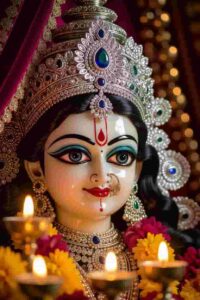
Nine sacred nights. Six time zones. One heartfelt intention. If you’re preparing for Shardiya Navratri Canada 2026, you need a clear 9 days festival schedule, city-aware muhurat notes, simple home puja steps, and practical tips for temple visits and garba nights. This all-in-one Shardiya Navratri Canada 2026: 9 Days Festival Schedule & Celebration Guide helps religious devotees, traditional festival observers, and spiritual seekers celebrate fully, safely, and on time.
You’ll get an at-a-glance 9-day plan, city guides for GTA, BC, Alberta, Quebec, Prairie provinces, and Atlantic/NL, plus fasting menus, kids’ activities, and organizer checklists. We’ll show you how to verify muhurats per city, what to expect at Canadian temples and community halls, and how to blend devotion with daily life. Save this guide and share it with your family group so everyone is aligned for the nine nights—and Vijayadashami.
- Reading time: about 16–18 minutes
- Best for: Religious devotees, traditional festival observers, spiritual seekers
Planning shortcut: use the calendar section for dates, the muhurat section for your city, and the region guide for local venue checks. Public event dates can differ from religious observance dates.
Navratri 2026 Canada: dates at a glance
The Toronto-specific calendar lists Shardiya Navratri from 11 October to Vijayadashami on 20 October 2026. The table below follows the Toronto city calendar; use your own city’s panchang for precise tithi and muhurat.
| Date (2026) | Toronto calendar observance | Planning note |
|---|---|---|
| Sun, Oct 11 | Pratipada; Ghatasthapana and Shailputri Puja | The first-day kalash-sthapana window has passed; do not reuse it for later rituals. |
| Mon, Oct 12 | Dwitiya; Brahmacharini Puja | Follow your household or temple routine. |
| Tue, Oct 13 | Tritiya; Chandraghanta Puja | Check the local tithi for ritual timing. |
| Wed, Oct 14 | Chaturthi; Kushmanda Puja | Today’s observance: confirm local service hours before visiting. |
| Thu, Oct 15 | Panchami; Skandamata Puja | Ask whether any special puja or meal requires registration. |
| Fri, Oct 16 | Shashthi; Saraswati Avahan and Katyayani Puja | Many Garba events are separately ticketed; check the event date and door time. |
| Sat, Oct 17 | Saptami; Saraswati Puja and Kalaratri Puja | Check weekend crowd, parking, child-entry and return-transit details. |
| Sun, Oct 18 | Ashtami; Durga Ashtami and Mahagauri Puja; Sandhi Puja is listed after midnight beginning Oct 19 | Toronto panchang lists Sandhi Puja 00:57–01:45 on Oct 19; verify before observing. |
| Mon, Oct 19 | Navami; Maha Navami, Ayudha Puja and Navami Homa | Ritual labels and tithi boundaries can overlap civil dates. |
| Tue, Oct 20 | Dashami; Navratri Parana, Durga Visarjan and Vijayadashami | Dussehra event schedules may be held on a nearby weekend. |
Source: Drik Panchang’s Toronto Navratri 2026 calendar. The page notes that timings are shown in Toronto local time with daylight-saving adjustment. The colour or goddess tradition followed by a family may differ; use your priest or tradition as the final guide.
What is Shardiya Navratri? Meaning and the nine forms of Durga
Shardiya Navratri is a nine-night festival dedicated to Goddess Durga and the divine feminine, celebrated during the Hindu lunar month of Ashwin. Devotees may observe fasting, daily puja, reading or listening to devotional stories, visiting a mandir, or participating in community Garba and Dandiya. Practices vary by family, region and sampradaya; there is no single routine that every Canadian household must follow.
The nine forms commonly associated with the festival are Shailputri, Brahmacharini, Chandraghanta, Kushmanda, Skandamata, Katyayani, Kalaratri, Mahagauri and Siddhidatri. The day assigned to each form is best checked against a current local calendar because tithi boundaries can cross midnight in Canadian time zones.
For students and people working shifts, a sustainable routine may be more helpful than an ambitious schedule that is difficult to maintain. A short prayer, a brief reading, or a temple visit on a day that fits your family is a valid way to take part according to your own tradition. If you observe a fast, follow guidance suitable for your health and circumstances rather than copying a strict fasting menu from the internet.
Navratri muhurat in Canada: time zones, tithi and local verification
Canada spans multiple time zones and the same ritual can have different clock times from province to province. For 2026, Toronto’s calendar lists Sandhi Puja beginning at 00:57 on 19 October and ending at 01:45; a different city calendar can show a different local clock time. Never copy a time from India, Toronto or Vancouver without checking the location used by your family or temple.
- Choose your actual city (not simply “Canada”) in a panchang tool.
- Check whether the displayed time is local time and whether daylight-saving adjustment is applied.
- Check the date attached to times after midnight; a ritual associated with Ashtami may cross into the next civil date.
- Confirm temple-specific timings separately, since the panchang does not set the mandir’s opening or programme schedule.
- If the calendar and your family tradition differ, ask your priest or community organiser before following an online timetable.
Useful city references include Toronto, Ottawa, and Kamloops, British Columbia. Use the exact city closest to you where possible; these links are examples, not substitutes for a city-specific check everywhere in Canada.
Day-by-day Navratri 2026 guide: observances, colours and practical ideas
The following dates and colours follow the Toronto-specific 2026 calendar. Colour traditions can differ by region and family, so treat them as reference rather than a compulsory rule. Dates and tithi names can overlap around midnight; confirm the local panchang before performing a time-sensitive ritual.
| Date | Toronto calendar observance | Simple way to participate |
|---|---|---|
| Oct 11 · Day 1 | Pratipada, Ghatasthapana and Shailputri Puja · Orange | If beginning kalash sthapana, use the correct local muhurat. A child can make a simple nine-day calendar. |
| Oct 12 · Day 2 | Dwitiya, Brahmacharini Puja · White | Choose a short prayer or reading that fits your family routine. |
| Oct 13 · Day 3 | Tritiya, Chandraghanta Puja · Red | Reflect on courage and kindness; use an LED lamp if open flame is not permitted. |
| Oct 14 · Day 4 | Chaturthi, Kushmanda Puja · Royal blue | Keep a short home prayer or check the temple’s current service hours. |
| Oct 15 · Day 5 | Panchami, Skandamata Puja · Yellow | Plan a family story or a simple act of service. |
| Oct 16 · Day 6 | Shashthi, Saraswati Avahan and Katyayani Puja · Green | If attending Garba, confirm the actual venue, age policy, ticket time and return route. |
| Oct 17 · Day 7 | Saptami, Saraswati Puja and Kalaratri Puja · Grey | For a public event, check parking, accessibility, permitted items and same-day updates. |
| Oct 18 · Day 8 | Ashtami, Durga Ashtami and Mahagauri Puja · Purple | Toronto calendar lists Sandhi Puja beginning at 00:57 on Oct 19 and ending at 01:45; confirm with your tradition. |
| Oct 19 · Day 9 | Navami, Maha Navami, Ayudha Puja and Navami Homa · Peacock green | Ask the temple about havan, Kanya Puja or meal arrangements; customs vary. |
| Oct 20 · Day 10 | Dashami, Navratri Parana, Durga Visarjan and Vijayadashami | Check the city-specific Vijayadashami muhurat and confirm any public Dussehra programme separately. |
Source: 2026 Toronto Navratri calendar. The calendar’s local-time notes matter especially for Sandhi Puja, which can cross midnight.
Home Puja: Ghatasthapana, Daily Aarti, Kanya Puja
Essentials (adjust per tradition):
- Kalash (water, coin), coconut, mango leaves (or respectful substitute), red cloth.
- Durga/Aparajita image or murti, roli/kumkum, akshat, flowers, fruits, sweets.
- Diya/LED lamp, incense (optional), bell; barley tray (optional).
Ghatasthapana steps (Day 1):
- Clean the puja space; face east/north if possible.
- Lay a red cloth; fill kalash with water and a coin; place leaves/coconut.
- Sow barley (optional) in a shallow tray; place near the kalash.
- Sankalpa (name, city, date/time); offer flowers and akshat; short stuti and aarti.
Daily rhythm (10–15 minutes):
- Morning: mantra or Chalisa excerpt; water barley.
- Evening: lamp lighting, short reading/listening, aarti, prasad.
- One bhajan evening with friends keeps kids engaged.
Kanya Puja (Navami):
- Consent-first planning; share menu and timings with parents.
- Prasad: kala chana, halwa, puri; keep allergen notes visible.
- Gifts: modest and useful; avoid cash if your tradition prefers.
Dussehra rites (Day 10):
- Aparajita, Shami, and Ayudha Puja during afternoon window.
- Apply tilak to tools/books/instruments; offer flowers; pray for right action.
- Keep it brief and focused if you’re working or in school.
Fasting (Vrat): Allowed Foods, 7-Day Menu, and Shopping
Commonly allowed (confirm your tradition):
- Fruits, milk, yogurt, nuts, dates.
- Sabudana (tapioca), kuttu (buckwheat), singhara (water chestnut).
- Samak (barnyard millet), rajgira (amaranth), potatoes/sweet potatoes.
- Sendha namak (rock salt), cumin, green chilies, lemon.
- Ghee, coconut oil, peanut oil.
Usually avoided:
- Regular salt; cereals (wheat/rice); most pulses (except kala chana after Ashtami in some traditions).
- Onion and garlic; packaged snacks with additives.
Where to shop (Canada):
- South Asian grocers across GTA, Vancouver/Surrey, Calgary/Edmonton, Ottawa/Montreal, Winnipeg, Saskatoon/Regina.
- Big-box chains (Costco, Walmart, Real Canadian Superstore, Loblaws, Save-On-Foods) for dairy, nuts, fruits, ghee; check international aisles.
- Mithai stores with labelled boxes (date/allergen info).
Simple 7-day vrat menu (mix and match):
- Breakfasts: fruit + yogurt; roasted makhana; banana-date smoothie.
- Lunches: samak khichdi with peanuts; cucumber raita; sweet potato chaat (sendha namak).
- Snacks: sabudana chivda; baked sweet potato wedges; fruit bowl with nuts.
- Dinners: kuttu rotis + aloo sabzi; rajgira porridge with dates; paneer (if allowed).
- Desserts: sabudana kheer; coconut laddoos; dates-based kheer.
Hydration & health:
- Lemon water with a pinch of sendha namak; coconut water.
- If you have medical conditions, consult your doctor before fasting.
- Kids/pregnant women can choose satvik meals without fasting and still join fully.
Temple & Region Guides: Where to Celebrate
GTA (Toronto, Mississauga, Brampton, Etobicoke, Richmond Hill)
- Visitor planning: Crowd levels, queue arrangements, languages and accessibility vary by temple and event. Check the organiser’s current guidance before attending.
- Tips:
- Arrive early; parking fills fast near popular mandirs.
- Transit helps for downtown; carpool in suburbs.
- Keep photos respectful; no flash during aarti.
Vancouver & Surrey (BC Lower Mainland)
- What to expect: Family-first aarti and bustling garba nights in community centres; LED/no-flame rules.
- Tips:
- SkyTrain + short bus/taxi often beats driving.
- Carry a light layer; coastal evenings get chilly.
- Reserve aisle seats for kids and elders.
Calgary & Edmonton (Alberta)
- What to expect: Evening aarti with calm, disciplined flow; volunteer-led programs in school/community halls.
- Tips:
- Plan warm layers and non-slip shoes.
- If an organiser publishes a Garba/Dandiya event, check current availability and terms on its official ticket page; do not assume a show is scheduled or will sell out.
- Keep aisles and “marshal lanes” clear.
Ottawa–Gatineau & Montreal
- What to expect: Bilingual emceeing; cultural blocks and temple aarti; university halls host student-led garba.
- Tips:
- Transit for central venues; verify bag policies at auditoriums.
- Arrive 20–30 minutes early for aarti to avoid queues.
Winnipeg (Manitoba)
- What to expect: Intimate, volunteer-driven worship; early finish on weekdays.
- Tips:
- Carpool to ease parking; keep bags light.
- Follow photo-consent etiquette for kids’ items.
Saskatoon & Regina (Saskatchewan)
- What to expect: On-time starts; compact aarti and youth recitals.
- Tips:
- Stroller parking away from aisles; ask ushers for quiet corners.
- Share rides and coordinate WhatsApp meet-up pins.
Atlantic Canada (Halifax, Moncton, Charlottetown, St. John’s)
- What to expect: University/civic halls; smaller gatherings with heartfelt bhajans.
- Tips:
- Newfoundland’s +30-minute offset needs careful muhurat checks.
- Windy nights favour indoor aarti; use LED diyas.
Garba & Dandiya: Tickets, Etiquette, and Comfort
- Tickets & RSVPs:
- Garba/Dandiya format and admission vary by organiser. Confirm whether a specific event is scheduled, and check its age policy, timing and ticket terms.
- Screenshot your ticket QR; carry ID if requested.
- Dress & comfort:
- Breathable chaniya choli/kurta or fusion wear; supportive shoes.
- Bring water, a small towel, and soft-tipped sticks if not provided.
- Etiquette:
- Join from the outer ring; keep the circle moving.
- Tap sticks near the ends to protect fingers.
- Ask consent before close-up photos; no flash near performances.
- Safety:
- LED/no-flame décor in halls; respect house rules.
- Keep aisles clear; follow ushers for exits.
First-timer trick: Shadow one steady dancer for two songs in the outer ring—you’ll catch the rhythm faster than you think.
Family & Inclusivity: Kid-Friendly, Elder-Ready, Interfaith-Welcoming
- Kids:
- Ear protection if sound-sensitive; three-song rule (dance three, rest one).
- Activity kit: rangoli stencil, sticker sheet, small colouring page.
- Elders:
- Aisle seats near exits and restrooms; bring a light shawl.
- Plan short standing intervals; request priority seating if needed.
- Interfaith/inclusive touches:
- 60-second “What is Navratri?” explainer at the start.
- Label allergens (nuts/dairy/gluten) on shared snacks.
- Photo-consent reminders and clear no-flash signs.
Organizer’s Corner: 30-Day Timeline, Permits, and Safety
Plan early, document well, and keep families at the centre.
- 30-day timeline
- Define scope: aarti + bhajan night, Ramlila block, garba/dandiya.
- Book venue; confirm capacity, COI (Certificate of Insurance), no-flame rules.
- Secure priest/emcee, band/DJ, and youth items.
- Draft budget; open RSVP/tickets; approach sponsors.
- Lock AV/stage and rehearsal slots; set decibel limits.
- Map crowd flow: exits, marshal lanes, water stations, stroller/elder seating.
- Publish bag/photo rules; share transit/parking info.
- Label prasad/snacks for allergens; arrange waste sorting.
- Run tech and sound checks; finalize run-of-show.
- Safety walk-through; post first-aid contacts and lost-and-found.
- Print programs with venue map and emergency numbers.
- Assign day-of roles; keep 5-minute buffers between segments.
- Safety & compliance
- LED/no-flame décor; tape cables; guard speaker stands; mark exits.
- Bilingual MC notes; “What is Navratri?” explainer; photo-consent card.
- Staggered exits; ushers at aisles; medics on call if required.
- Illustrative planning budget only (CAD; not actual event prices)
- Community hall bhajans (80–150): $2,000–$7,000.
- School/auditorium cultural night (200–500): $10,000–$40,000+.
- Arena-scale garba: $40,000–$150,000+ (band, AV, security, insurance).
Digital & Hybrid Options for Busy Weeks
- Micro-puja at work: LED tealight, flower, 5-minute stuti/Chalisa.
- Family sync: One performs at home; others join by video; attend temple later.
- Streams: Watch temple aarti together; share prasad and a gratitude reflection.
Tech basics:
- Use Do Not Disturb during puja; stable tripod for short clips.
- Short, clear audio beats long shaky video; upload replays for elders.
Three practical Navratri routines for Canadian families (illustrative examples)
The following are planning examples, not reports about named people or verified events. Use them as templates and adapt them to your own family, work schedule, health needs and tradition.
Routine A: a busy GTA household
Choose a consistent 10–15 minute evening prayer after work, keep the puja items together, and select one temple visit after checking the official calendar. If attending Garba, book only after confirming the venue, date, age policy, entry time and return route. Avoid trying to fit a late dance event and an early-morning ritual into every day if the schedule is not realistic for your household.
Routine B: a first-time community host in Halifax or Winnipeg
Start with a small home gathering or a shared online reading rather than advertising a public festival before the venue is booked. If you plan a public programme, ask the venue about insurance, capacity, accessibility, permitted offerings, food service, fire safety and cleanup. Share a plain-language explanation of the festival and make participation expectations clear for guests who are new to the tradition.
Routine C: a family with children or older relatives
Choose an event with published access details, nearby parking or a manageable transit route, seating and washrooms. Agree on a meeting point, carry required medication or personal items, and decide in advance how long to stay. If the event is crowded or loud, check whether a quieter space is available instead of assuming every venue provides one.
Reliable Canadian sources for dates, time zones and events
For a useful festival guide, source the information that controls each decision rather than adding broad statistics that do not help a reader plan. Use a panchang for religious dates, the temple or event organiser for its schedule, and transport or municipal sources for travel and venue rules.
- Local Navratri dates and tithi: Toronto calendar, with city-specific references for other Canadian locations.
- Canadian official time: National Research Council Canada explains the country’s official time information.
- Temple programmes: check the mandir or community association’s own 2026 calendar, and confirm that the entry is for a special programme rather than regular opening hours.
- Garba/Dandiya tickets: use the named organiser or authorised ticket page for price, ticket inclusion, refund rules and age policy.
- Transit and accessibility: consult the relevant local transport agency and venue website for the route, service hours, step-free access and parking information.
Do not present estimates about attendance, event counts or diaspora growth unless a reliable current source provides a relevant number and clear scope. For this page, exact local timing and current venue information are more useful to readers than unverified generalisations.
Resources: Internal and External Links
Suggested internal links:
- Navratri 2026 Dates in Canada: October 11–20 Calendar
- Edmonton Hindu Society Dussehra 2026: Alberta Temple Celebrations
- Best Navratri Events Vancouver 2026: Garba Nights Guide
- How Indian Canadians Celebrate Dussehra: Community Traditions
- Top 15 Hindu Temples Celebrating Dussehra in Canada 2026
Authoritative external sources:
- National Research Council — Canada’s Official Time
- Statistics Canada — Visible Minority Data Hub (2021)
- Statistics Canada — Religion (2021 Census)
- DataReportal — Digital 2024: Canada
Bookmark your temple’s website or Facebook page. Most publish Navratri aarti timings and cultural program notes 1–3 weeks before the festival.
Checklists You Can Use Today
10-Minute Verification Checklist
- Set panchang to your city.
- Confirm each day’s tithi; note Sandhi Puja and Dussehra muhurats.
- Add two reminders around special windows.
- Share timings with your family WhatsApp group.
Home Puja Setup (Under 60 Minutes)
- Clean corner; lay red/yellow cloth.
- Arrange kalash/coconut/leaves (or substitute).
- Keep Durga/Aparajita image; diya/LED; incense (optional).
- Prepare flowers, fruits, sweets, roli/kumkum, akshat.
- Print or save stuti/Chalisa; set aarti playlist.
Family Evening Pack
- Modest ethnic wear + light layer.
- Water, labelled snack, hand wipes.
- For a scheduled public event, bring ticket confirmation and identification only if the organiser requires them.
- Ear protection for kids; aisle seating plan.
- Phone on silent; photo-consent reminders.
Organizer’s Quick Safety Brief (15 Minutes)
- Mark exits, marshal lanes, stroller/elder seating.
- Tape cables; guard speaker stands; test LED gear.
- Post house rules: no-flame, photo-consent, water refill, waste sorting.
- Confirm first-aid contacts and lost-and-found.
Frequently Asked Questions
When is Shardiya Navratri in Canada in 2026?
Canada-specific calendars consulted for this update list Day 1 on Sunday, October 11, 2026, with Vijayadashami on Tuesday, October 20, 2026. Verify local tithi and puja timings with a city-specific panchang.
How do I plan Shardiya Navratri Canada 9 days festival worship?
Use a 10–15 minute daily routine (stuti + aarti + prasad), visit your temple on 2–3 key nights, and verify special windows like Sandhi Puja and Dussehra’s afternoon muhurat.
Are open flames allowed in Canadian halls?
Policies vary. Many venues restrict open flames indoors. Choose LED diyas and follow posted rules at temples and community centres.
What should I wear to temple or garba?
Modest ethnic wear, supportive shoes, and a light layer for cool evenings. Keep bags small; photos without flash and only with consent.
Can non-Hindus attend Navratri programs?
Yes. Many temples and associations welcome newcomers. A short “What is Navratri?” explainer, labelled snacks, and photo-consent notes help everyone feel comfortable.
What if I cannot fast all nine days?
Follow your health. Choose satvik meals or partial fasting and maintain the prayer routine. Consult your doctor if you have medical conditions.
How do I involve kids meaningfully?
Use story cards, simple crafts, and a “good choices” pledge wall. Let them ring the bell at aarti or place flowers on the altar.
Conclusion
Related 2026 Canada festival guides
- Navratri 2026 Canada: Toronto Garba & Dandiya Tickets
- Navratri 2026 Toronto: Garba, Dandiya & Temple Events
- Vancouver Navratri 2026: Garba Nights & Events
Shardiya Navratri Canada 2026: 9 Days Festival Schedule & Celebration Guide gives you everything you need to celebrate with ease—daily observances, verified muhurat habits, city-wise temple tips, family-friendly garba etiquette, and clear safety rules. Keep worship simple, arrive early for aarti, and lean on checklists so you can focus on devotion instead of logistics.
Ready to finalize your plan? Save this guide, set your reminders for Day 1, Sandhi Puja, and Vijayadashami, and share it with your family group. Want a city-specific itinerary or a printable daily schedule? Comment with your city and family size—we’ll tailor a plan that fits your life.