Plan Navratri and Dussehra in Canada in 2026 with festival-date guidance, Garba and Dandiya planning, home-puja tips and travel advice. For exact dates and muhurat, start with our dedicated Navratri 2026 dates calendar for Canada, then select a panchang for your own city and check each organiser’s latest event announcement. Community events may take place on weekends that differ from the religious tithi.
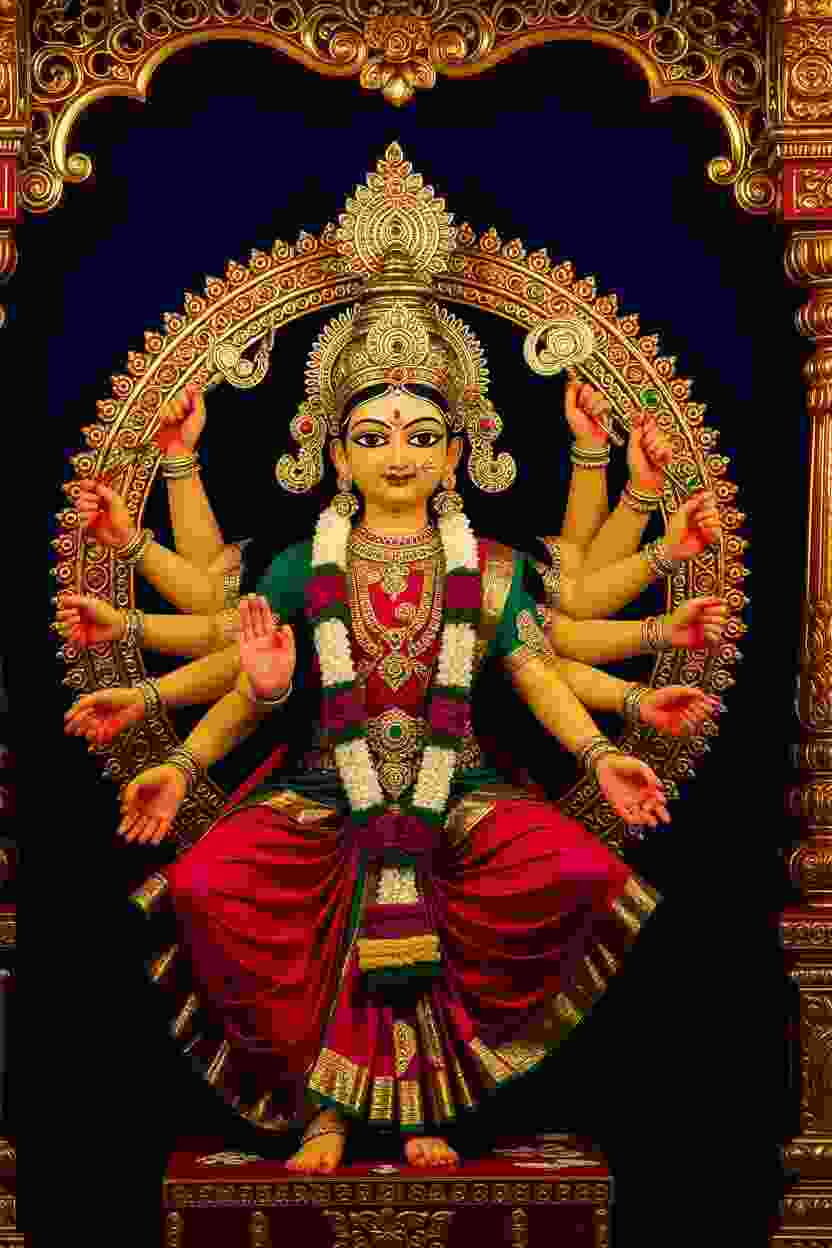
Quick planning note: Use the calendar below for broad dates, then confirm Ghatasthapana, Ashtami/Navami and Vijayadashami timings for your Canadian city. Community events, tickets and entry rules are set by individual organisers.
You’ll get a featured ten‑day list suitable for a fridge door, plus checklists for families, students, and volunteers. Follow this plan to observe by tithi—and still make your weeknights and school runs work.
- Estimated reading time: about 13–15 minutes
- Best for: Navratri celebrants & ten‑day festival participants across Canada
On this page
At a Glance: Ten‑Day Calendar (Featured Snippet)
Below is a simple, Canada‑ready schedule many devotees follow. Always verify muhurats for your city.
- Day 1: Sunday, 11 October 2026 in many calendars — Ghatasthapana and Maa Shailaputri worship. Confirm the local Canadian panchang for the exact date, muhurat, and regional tradition.
- Day 2 (Monday, 12 October): Brahmacharini — tapas and study; follow the regional colour tradition.
- Day 3 (Tuesday, 13 October): Chandraghanta — courage and grace; follow the regional colour tradition.
- Day 4 (Wednesday, 14 October): Kushmanda — creative energy; follow the regional colour tradition.
- Day 5 (Thursday, 15 October): Skandamata — compassion; follow the regional colour tradition.
- Day 6 (Friday, 16 October): Katyayani — righteous action; follow the regional colour tradition.
- Day 7 (Saturday, 17 October): Kalaratri — protection; follow the regional colour tradition.
- Day 8 (Sunday, 18 October): Mahagauri and Ashtami observances; confirm the local panchang for Sandhi Puja timings.
- Day 9 (Monday, 19 October): Siddhidatri and Navami observances; confirm local Kanya Puja and Navami timings.
- Vijayadashami/Dussehra 2026: generally Tuesday, 20 October; check a current local panchang for the exact tithi and muhurat in your Canadian city.
- Community events may be scheduled on different dates around Navratri and Vijayadashami; follow each organiser’s confirmed 2026 programme.
Time zones matter: Vancouver (PDT), Calgary/Edmonton (MDT), Winnipeg (CDT), Toronto/Ottawa/Montreal (EDT), Atlantic (ADT), and Newfoundland (NDT, +30 minutes) shift muhurat windows. Verify locally.
How to Use This Calendar: Tithis, Time Zones, and Verification
Navratri and Dussehra are tithi‑based (lunar), not civil‑date based. Precision comes from local sunrise/sunset and your city’s time zone.
- Canada spans six time zones—Newfoundland has a unique +30‑minute offset.
- A date posted for India may shift to the previous evening or the next morning in Canada.
3‑minute verification routine:
- Open a reliable panchang, set to your city (e.g., Toronto, Vancouver, Calgary).
- Note Ghatasthapana (Day 1), Sandhi Puja (Ashtami–Navami), and Dussehra Aparahna/Vijay Muhurat (afternoon).
- Cross‑check with your temple’s bulletin/social pages. If a tithi spans two civil days, follow your sampradaya or your temple’s guidance—both are respected.
Workday tip: If you can’t be home at the exact window, perform a 10–15‑minute Aparajita/Ayudha Puja (LED diya, flower, short stuti) during the window you can catch; attend temple aarti in the evening.
Day-by-Day Guide to Navratri and Dussehra 2026
Keep each day devotional and doable. Colours are traditional suggestions—follow your family parampara.
- Day 1 — Shailaputri and Ghatasthapana (generally Sunday, 11 October 2026; verify local panchang)
- Do: Ghatasthapana/Kalash Sthapana; sow barley (optional).
- Home: Sankalpa; short stuti; aarti; keep a “nine nights” calendar for kids.
- Evening: Temple aarti (arrive early).
- Day 2 — Brahmacharini (Monday, 12 October)
- Do: Choose a simple restraint (less sugar/screens); short reading/listening.
- Community: Join a 15‑minute online bhajan in the family chat.
- Day 3 — Chandraghanta (Tuesday, 13 October)
- Do: Lamp lighting (LED ok); gratitude notes in a bowl; kindness task for kids.
- Evening: Mid‑week temple aarti where possible.
- Day 4 — Kushmanda (Wednesday, 14 October)
- Do: Offer fruit or a homemade sweet; refresh the altar cloth/flowers.
- Day 5 — Skandamata (Thursday, 15 October)
- Do: Family values story; label allergens on shared snacks if you host.
- Evening: Garba tutorial video + 10‑minute practice.
- Day 6 — Katyayani (Friday, 16 October)
- Do: Garba/dandiya or satsang night; choose comfortable shoes.
- Safety: Soft‑tipped sticks only; outer ring for kids.
- Day 7 — Kalaratri (Saturday, 17 October)
- Do: Quiet evening aarti; 5–10 minutes reflection or journaling.
- Day 8 — Mahagauri (Sunday, 18 October; confirm local Ashtami/Sandhi Puja timing)
- Do: Sandhi Puja (Ashtami→Navami)—confirm the exact window.
- Plan: use the temple’s posted arrival instructions and allow travel time; no universal crowd peak or arrival window applies across Canada.
- Day 9 — Siddhidatri (Monday, 19 October; confirm local Navami observance)
- Do: Kanya Puja (consent‑first) with kala chana, halwa, puri; modest gifts (books/hairbands).
- Etiquette: Allergy labels and brief context for families new to the tradition.
- Vijayadashami — generally Tuesday, 20 October 2026 in many calendars; verify local observance
- Do: Aparajita/Shami/Ayudha Puja during Aparahna & Vijay Muhurat; begin something new (study plan, class, seva).
- Evening: Temple aarti and community gathering; symbolic, LED‑safe “victory of good over evil.”
- Additional community programmes (check organiser-confirmed dates)
- Some temples/community halls run related programs for accessibility. Worship by muhurat; attend events by schedule.
Garba & Dandiya Nights: Formats, Tickets, and Crowd Patterns
- Temple‑linked cultural nights: RSVP/free or nominal fee, with short garba sets and devotional focus.
- Community-hall Garba: Pricing, age groups, session times and stick rules vary by event. Verify these details on the organiser’s current listing.
- Large indoor events: Check each organiser’s current listing for ticket tiers, venue zones, fees and entry terms.
- Artist-led or premium events: Price and seating depend on the production; verify the official ticket checkout and availability.
Crowd patterns:
- Weekend attendance varies by event. Check organiser guidance for entry times, ticketing, parking restrictions and accessibility.
- Family sessions = calmer circles and easier exits; tutorials at the start help newcomers.
- University garbas fill fast—follow student associations for RSVP links.
City & Region Guide: Where to Celebrate Across Canada
Greater Toronto Area (GTA)
- Mississauga/Brampton/Etobicoke/Scarborough/Richmond Hill/Markham corridors host temple aarti and garba in school/community halls.
- Transit: TTC/GO/MiWay/YRT/Viva combinations; PRESTO across systems; check last‑train times.
- Family tips: Aisle seating; soft‑tipped sticks; “three songs, one break” rhythm for kids.
Vancouver & Lower Mainland (BC)
- Surrey and Vancouver have temple and community organisations where listings may appear, but this guide does not confirm a particular Dussehra event or rank attendance. Check current official calendars for a scheduled programme, venue and ticket status.
- Transit: TransLink SkyTrain + bus; layers + light waterproof for coastal evenings.
- Family tips: Mid‑house off‑center sound spots; comfortable shoes for concrete floors.
Calgary & Edmonton (Alberta)
- Calgary NE and Edmonton South host temple aarti, family melas, and gym‑hall garbas.
- Transit: C‑Train (Calgary), ETS/LRT (Edmonton); add 20–30 minutes for Friday parking; photograph your bay.
- Family tips: Arrive early; kids in outer ring; ear protection for sound‑sensitive.
Ottawa–Gatineau (ON/QC)
- Temple evenings with bilingual announcements; community garba in school halls.
- Transit: OC Transpo (Ottawa), STO (Gatineau) for central venues.
- Family tips: Early sessions for kids; aisle seating for quick breaks.
Montreal (QC)
- Temple aarti and cultural showcases; school/community garba with bilingual cues.
- Transit: STM Metro/bus for core venues; check late‑night service.
- Family tips: Keep bags light; consent‑first photos.
Winnipeg (Manitoba)
- Temple aarti; compact community garba in school/community centers.
- Transit: Winnipeg Transit; parking generally easier—still arrive early.
- Family tips: Layers for cool evenings; “outer ring only” for younger kids.
Saskatoon & Regina (Saskatchewan)
- Intimate temple evenings; family‑first garba with tutorials.
- Transit: Saskatoon/Regina Transit for city hops; plenty of driving.
- Family tips: RSVP essential; foam sticks for kids; on‑time starts.
Atlantic Canada (NS/NB/PEI)
- Halifax/Moncton/Charlottetown campus and civic halls; compact gatherings.
- Transit: Local agencies (Halifax Transit etc.); plan weather‑safe layers.
- Family tips: Early exits for toddlers; no inner‑ring density.
Newfoundland & Labrador (NL)
- Unique NDT time (+30 minutes).
- St. John’s community/campus halls host devotional evenings and small garba sessions.
- Family tips: Verify muhurats carefully; indoor venues preferred in windy weather.
Tickets & Budget Planning: Verify Costs for Each Event
Indicative adult ranges (verify locally):
- Temple or community admission: Check the specific organiser’s official listing for entry fees and RSVP requirements; no Canada-wide price is verified.
- Community-hall Garba: Prices vary by event, venue and ticket tier. Check the current ticket page before budgeting.
- Indoor weekend events: Check the current organiser listing for ticket tiers and any seating or zone differences.
- Artist-led or premium events: Price and seating depend on the production; verify the current official ticket checkout.
- Child tickets: Check the event’s actual age and ticket policy; no standard Canada-wide price applies.
Common add‑ons:
- Dandiya sticks: Check whether the venue allows personal sticks or sells approved ones, and verify the price with the organiser.
- Parking: Check the current venue or municipal listing for availability, fees, restrictions and payment methods.
- Transit: Fares differ by city and service. Use the current official transit fare information for your route.
- Rideshare: Fare depends on route, time and demand. Check the live estimate for your venue and event time.
- Food and water: Check the venue’s current outside-food and water-bottle policy, and budget according to its rules.
Sample budgets
| Group | Scenario | Estimated Total |
|---|---|---|
| Solo visitor | Use the actual event ticket, approved equipment costs and current transit or rideshare fare | Calculate for your event |
| Couple | Use the event’s current ticket prices, travel estimate and permitted food/equipment costs | Calculate for your event |
| Family of 4 | Calculate from the selected event’s adult/child ticket policy, travel costs and permitted food/equipment expenses. | Calculate for your event |
Savings stack:
- Early‑bird tiers + weeknights (Mon–Thu) + family/group bundles.
- Volunteer roles sometimes include free/discounted entry—ask early.
- Share sticks; rotate turns to buy fewer pairs.
Fasting (Vrat): Allowed Foods, 7‑Day Menu, and Where to Shop
Commonly allowed (confirm your tradition)
- Fruits, milk, yogurt, nuts, dates
- Sabudana (tapioca), kuttu (buckwheat), singhara (water chestnut)
- Samak ke chawal (barnyard millet), rajgira (amaranth), potatoes/sweet potatoes
- Sendha namak (rock salt), cumin, green chilies, lemon
- Ghee, coconut/peanut oil
Venue policies vary; verify
- Regular salt; grains (wheat/rice); most pulses (except kala chana after Ashtami in some traditions); onion & garlic; unknown additives.
7‑day vrat menu (mix & match)
- Breakfasts: Fruit + yogurt; roasted makhana; banana‑date smoothie
- Lunches: Samak khichdi + peanuts; cucumber raita; sweet potato chaat (sendha namak)
- Snacks: Sabudana chivda; baked sweet potato wedges; nuts + dates
- Dinners: Kuttu rotis + aloo sabzi; rajgira porridge; paneer (if allowed)
- Desserts: Sabudana kheer; coconut laddoos; dates‑based kheer
Where to shop (by region—examples)
- GTA: Devon Avenue‑style? (In Toronto, Little India—Gerrard St. E.; Mississauga/Brampton Indian grocers).
- Vancouver/Surrey: Scott Rd/Newton corridors.
- Calgary/Edmonton: NE Calgary (Martindale/Saddleridge); Mill Woods (Edmonton).
- Winnipeg/Saskatoon/Regina: Regional corridors with South Asian grocers; check temple stalls on key nights.
- Ottawa/Montreal: City corridors with Indian grocers; verify vrat flours and sendha namak labels.
Hydration & health
- Water, coconut water, lemon water + pinch of sendha namak.
- If you have medical conditions, consult your physician before fasting.
- Kids/pregnant women can choose satvik meals without fasting and still take part fully.
Travel, Weather, and What to Wear
- Transit: Use TTC/GO/MiWay/YRT (GTA), TransLink (Metro Vancouver), C‑Train/ETS (Calgary/Edmonton), OC Transpo/STM (Ottawa/Montreal), Winnipeg/Saskatoon/Regina Transit. Check last‑trip times and park‑and‑ride options.
- Driving: Add 20–30 minutes Fri/Sat for parking and seating; photograph your bay; set a WhatsApp meet‑up pin.
- Weather: Prairies—cool/crisp evenings; BC coast—mild/drizzly. Layers > fashion.
- Footwear: Cushioned juttis/mojaris, dance sneakers, or low wedges; gel insoles for concrete floors.
- Bag: Small crossbody/potli; avoid heavy totes in circles; keep QR tickets/ID handy.
Safety & Etiquette: LED/Projection, Marshal Lanes, Photo Consent
- Stagecraft and fire safety: rules differ by venue and municipality. Do not assume that open flames, incense, fireworks or projection effects are permitted; check the organiser’s current safety instructions.
- Floor: Keep aisles & marshal lanes clear; rejoin circles from outside; never stop mid‑flow for photos.
- Sticks: Soft‑tipped only; tap near ends; “eyes up, elbows down.”
- Phones: Silent during aarti/performances; respect no‑recording zones.
- Consent: Ask before close‑ups—especially of children.
- Cleanliness: Use labeled bins; refill bottles if allowed; minimize single‑use plastics.
Organizer’s Corner: 30‑Day Timeline, Permits, and Low‑Waste
30‑day timeline (community event)
- Define scope: aarti + bhajans, garba/dandiya, Ramlila block, or a family mela.
- Book venue; confirm capacity, Certificate of Insurance (COI), and fire‑code restrictions (no open flame).
- Secure priest/emcee, band/DJ, youth items; open RSVPs/tickets.
- Lock AV/stage; set decibel limits; schedule rehearsals; tape cables; guard stands.
- Map flow: exits, marshal lanes, water stations, accessible + stroller seating.
- Publish bag/stick/water/photo policy; add transit/parking details.
- Label prasad/snacks for allergens; set waste sorting (recycle/landfill); provide refill water.
- Tech run; finalize run‑of‑show; print accessibility‑friendly programs with a venue map.
- Safety walk‑through; post first‑aid/lost‑and‑found contacts; brief ushers.
- Assign day‑of roles; keep 5‑minute buffers; collect impact metrics.
Permits & compliance
- Coordinate with your city on special‑event permits, occupancy, amplified sound, and food service.
- Fire code: no open flame/pyro; LED/projection preferred.
- Accessibility: Mark accessible routes and companion seating; ensure signed exits.
Low‑waste
- Reusable décor; refill water stations; digital programs (QR); collect foam sticks for reuse.
Digital & Hybrid Participation
- Mini home puja: 10–15 minutes during Vijay Muhurat; attend evening aarti later.
- Livestream/highlight reels: Follow temple/community pages when you can’t attend.
- Family sync: 15‑minute bhajan at home; arrive for Act II or aarti.
Tech tips:
- Do Not Disturb during puja/performances.
- Short, steady clips > long shaky video.
- Respect no‑recording zones and quiet corners.
Key Statistics & Trends (with sources)
- South Asians are Canada’s largest visible minority group, underpinning robust Hindu festival participation nationwide. Source: Statistics Canada, Visible Minority Data Hub (2021).
- Hindus in Canada exceeded 800,000 in 2021, reflecting steady growth and expanded temple/community infrastructures. Source: Statistics Canada—Religion (2021 Census).
- Canada spans six time zones; Newfoundland’s +30‑minute offset requires city‑specific muhurat verification. Source: National Research Council—Canada’s Official Time.
- Many organisers use online event pages for registration and updates. Check official event listings for ticketing, livestream details, and schedule changes.
Resources: Internal & External Links
Suggested internal links:
- Navratri Garba and Dandiya events in Canada
- Shardiya Navratri 2026 Canada: Dates & 9-Day Guide
- Toronto GTA Dussehra 2026: Mississauga, Markham & Richmond Hill
- How Indian Canadians Celebrate Dussehra: Community Traditions
- 15 Hindu Temples to Check for Dussehra 2026 in Canada
Authoritative external links:
- National Research Council — Canada’s Official Time
- Statistics Canada — Visible Minority Data Hub (2021)
- Statistics Canada — Religion (2021 Census)
- DataReportal — Digital 2024: Canada
Always verify final aarti windows, garba tickets, and muhurats 1–3 weeks before each night on your temple/community’s official page.
Checklists You Can Use Today
Family Night‑Out Checklist
- Tickets/RSVP (QR screenshot) + ID
- Modest festive wear + layers (shawl/waterproof)
- Water, labeled snack (if allowed), hand wipes
- Ear protection for kids; phone on silent
- Aisle seating plan; WhatsApp meet‑up pin
- Soft‑tipped sticks (if allowed) + cloth sleeve
Home Puja Setup (Under 60 Minutes)
- Clean a small altar space; lay red/yellow cloth
- Kalash/coconut/leaves (or respectful substitutes)
- Durga/Aparajita image; diya/LED; incense (optional)
- Flowers, fruits, sweets; roli/kumkum; akshat
- Print/save stuti/Chalisa; set an aarti playlist
Organizer/Volunteer 15‑Minute Safety Brief
- Exits marked; marshal lanes staffed; cables taped; stands guarded
- LED/projection—no open flame/pyro
- QR scan lanes separate from bag checks
- Water refill + labeled waste bins; allergen labels for snacks/prasad
- Accessible routes marked; ushers briefed; first‑aid/lost‑and‑found contacts posted
- Photo rules announced; staggered exit plan reviewed
Transit & Parking Plan
- Check last‑return windows for rail/bus
- Park‑and‑ride options for rail corridors
- Carpool; photograph parking bay/landmark
- Share live location; schedule rideshare 10–15 minutes before end
Workday Muhurat Micro‑Puja
- LED tealight, flower, short stuti (5–7 min)
- Silent phone; brief intention; resume day; attend aarti later
Frequently Asked Questions
When does Navratri start and Dussehra fall in Canada in 2026?
For 2026, Sharad Navratri is generally expected to begin around 11 October, with Vijayadashami commonly observed on 20 October; regional calendars and local tithis can differ. Check a city-specific panchang and your temple’s announcement.
Why do muhurats differ across Canadian cities?
Tithis depend on local sunrise/sunset and your time zone. Canada spans six time zones (including Newfoundland’s +30 minutes), so muhurats shift city to city.
How can I celebrate all ten days without burnout?
Use the “10‑15‑10 rule”: 10–15 minutes home puja morning/evening, 1–2 temple nights, and one family garba or Ramlila. Keep weekdays light; stack key nights on weekends.
Are open flames allowed at community events?
Usually not. Canadian venues restrict open flames/pyro. Expect LED/projection effects and documented safety plans.
What are typical garba ticket prices?
Common adult ranges: $15–$35 (community halls), $30–$60 (mid‑scale weekend), $50–$125+ (premium/celebrity). Many temple cultural evenings are free–$15 with RSVP.
Can I bring kids to garba?
Yes—choose family sessions early, stand in the outer ring, use soft‑tipped sticks, and follow “three songs, one break.”
What should I wear and carry?
Layered festive wear, supportive shoes, small crossbody for QR/ID, water, hand wipes, soft‑tipped sticks (if allowed), and a light waterproof in coastal/BC.
How do I verify local event details?
Follow your temple/community’s official pages; use Drik Panchang set to your city for muhurats; check transit agencies for last‑trip times.
Conclusion & CTA
Navratri to Dussehra in Canada in 2026 can be celebrated without stress. Verify your city’s muhurats, keep home puja simple, plan one or two temple visits, and add a family garba or Ramlila if confirmed by organisers. With layers packed, tickets saved, and a meeting point agreed, every evening can feel devotional, safe, and organised.
Ready to finalise your plan? Bookmark this guide, check the 2026 dates for your city, and follow your local temple and community pages for confirmed Ghatasthapana, Sandhi Puja, and Vijayadashami timings. Want a tailored schedule by city, crowd levels, and family needs? Share your metro area, dates, and group size.